Rolling 丨 The Special Forum of the Global Important Agricultural Cultural Heritage Conference was held
Author:Zhejiang Daily Time:2022.07.19
Zhejiang News Client reporter Yu Biyin Ye Jinxia and Min Min
【11:25】
This is the end today.
【11:16】
Li Xiande, vice chairman of the GIAHS Science Consulting Group, spoke
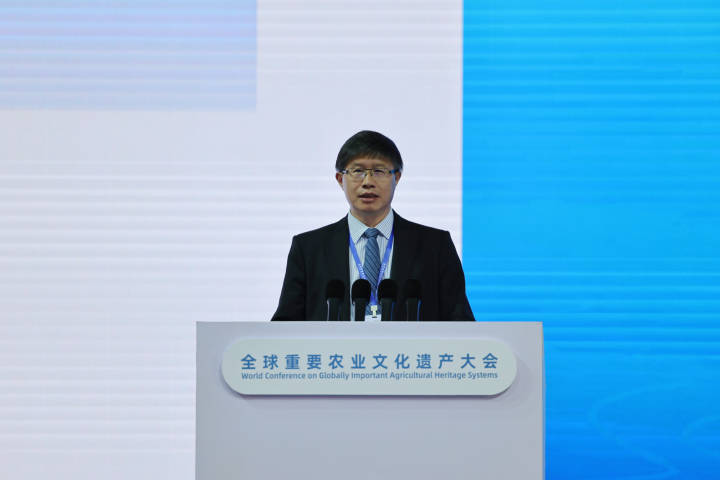
In terms of rural rejuvenation and farmers 'income increase in the global important agricultural cultural heritage land, Li Xiande focuses on the connotation of important agricultural cultural heritage around the world, Giahs's resource advantages and value, Giahs heritage to promote rural revitalization and farmers' income. He said that in Giahs In terms of promoting rural revitalization and income farmers, the diversity of farmers 'income can be increased through resource development, and farmers' employment is increased by extending the industrial chain, and the added value of agricultural products will be used to innovate brands.
Yunnan Pu'er ancient tea gardens and tea culture systems pay attention to the protection of agricultural products without pollution, green and organic certification. Jiangxi Chongyi Hakka Terrace System has created a "Chongshui Shanfield" regional public brand, incorporated into many agricultural products brands, forming a group development.
【11:06】
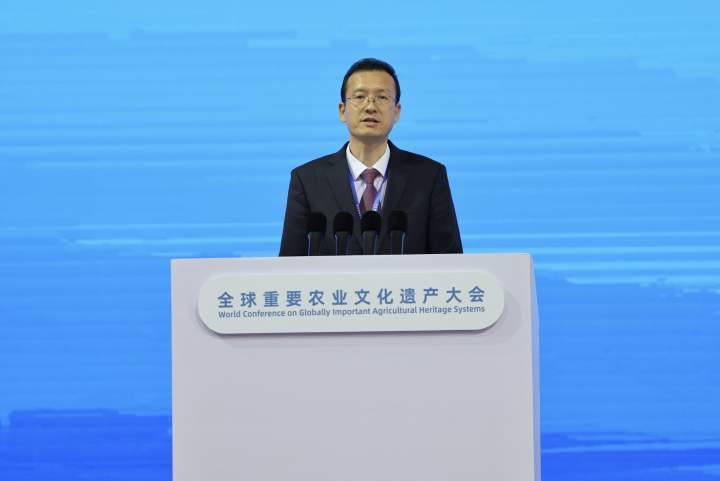
Xu Ming, deputy director of the International Exchange Service Center of the Ministry of Agriculture and Rural Affairs, speak
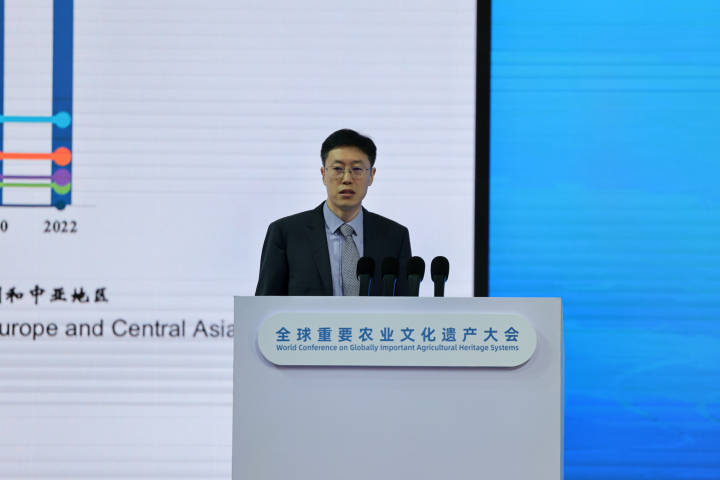
Today, let me introduce the dynamic protection of China's Global Important Agricultural Cultural Heritage (GIAHS) to help farmers' improvement in the improvement of their livelihood.
Our innovative selection and declaration mechanism to promote GIAHS mining inheritance and dynamic protection; strengthen institutional construction, innovate selection and declaration and management mechanisms, etc., solve the problem of "reiterating reports, light protection", and strengthen GIAHS dynamic protection. We coordinate the establishment of an expert committee to promote the deep cultivation of agricultural cultural heritage, organize experts at home and abroad to go to the inheritance site to consult the pulse, guide the inheritance land to exert the multi -functional advantages of agricultural, and promote the integration of the first, secondary and tertiary industries on the basis of protecting the core elements. The brand effect of the inheritance area has been checked, and the characteristics of the improvement of farmers' livelihoods in the inheritance site have been explored.
At present, the agricultural product brand brought by GIAHS is about 10%-30%. GIAHS protection and utilization of direct revenue contribution to local residents is close to 40%. GIAHS protection and utilization have attracted a group of people to return to employment. The pride of local farmers. In the future, we will continue to promote the high -quality development of inheritance and strengthen planning and dynamic protection.
【10:57】
UNESCO's representative of China Shi Zehan Video Speaking
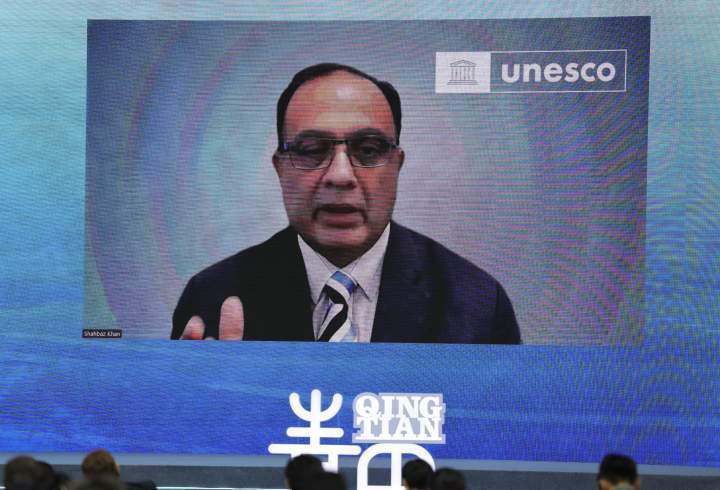
In the past 20 years, Giahs has proven to be an effective sustainable agricultural model. Its overall and future -oriented methods cover the protection of agricultural ecological farming, rural development actions, and agricultural biological diversity, landscape, culture and traditional knowledge.
Giahs is a living and constantly developing human community system, which has intricate relationships with their territorial, cultural or agricultural landscapes or biophysics and a wider social environment.
The wealth and breadth of knowledge and experience accumulated in management and use resources are an important wealth worldwide that requires promotion and protection, and at the same time allow it to develop.
Qingtian rice and fish symbiosis system is a good example. It reflects the concept of ecological symbiosis and a balance between nature and human society. By encouraging basic ecological functions to generate ecological, economic and social benefits.
This system ensures food safety, high -quality nutrition and revenue, preventing malaria, protecting biodiversity and cultural heritage, regulating pests, and establishing carbon and nutrition cycles.
【10:48】
Zhou Jiayang, Agricultural Counselor of the French Embassy in China
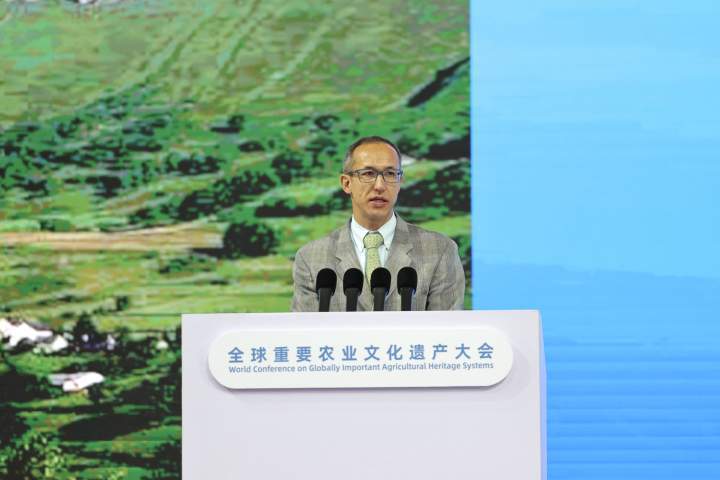
Regarding the theme of "the flowing grazing and cultural heritage of Billy Niu Sishan", he briefly introduced the protection measures of collective ranch, the "three teeth" and the agricultural environment and climate measures of the grassland system of pastoral areas, the benefits of flowing grazing, France Initiative about supporting the global mobile grazing system heritage.
【10:40】
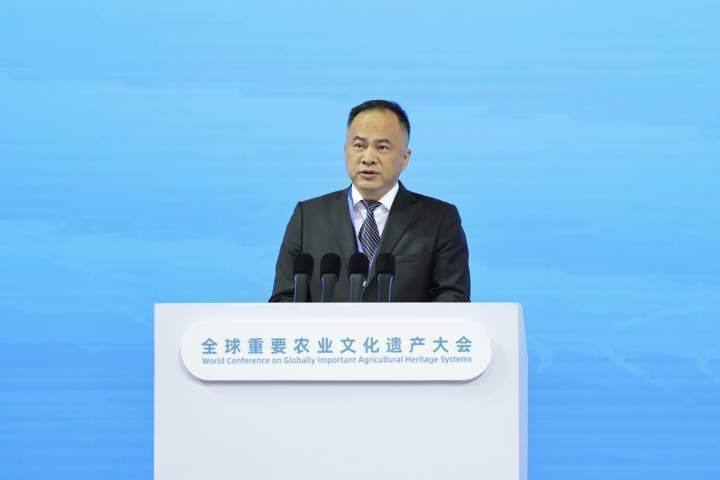
Giahs and peasant livelihood improvement topics were discussed by Wang Zongming, deputy director of Zhejiang Agricultural and Rural Affairs Department
【10:13】
Iranian Agricultural Planning, Economic and Rural Development Institute Director Ali Celinareid Video Speaking
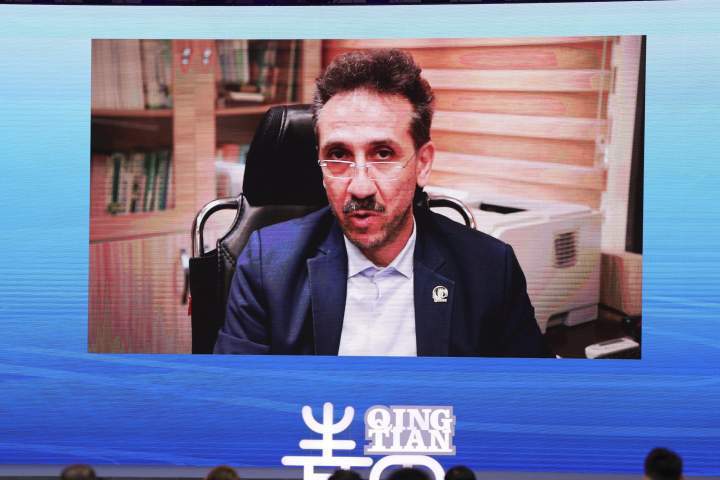
After 7 years, I was glad to come to Qingtian again.
I think we should pay more attention to food security and change the grain model. This is not only the direction of the local community, but also the direction of the country and international level.
The current and future may face challenges such as climate change, epidemic and various diseases, and international conflicts. These will cause serious problems in the food security of the local communities and all countries. Any other systems other than Giahs may not have global importance. With the expansion of urbanization or the industrialization of society, these food restoration systems may have been forgotten, but they should return to the sustainable grain system and can be completed by identifying, specifying, protecting and developing GIAHS.
【10:00】
Luo Shiming, deputy chairman of the China GIAHS Expert Committee, spoke
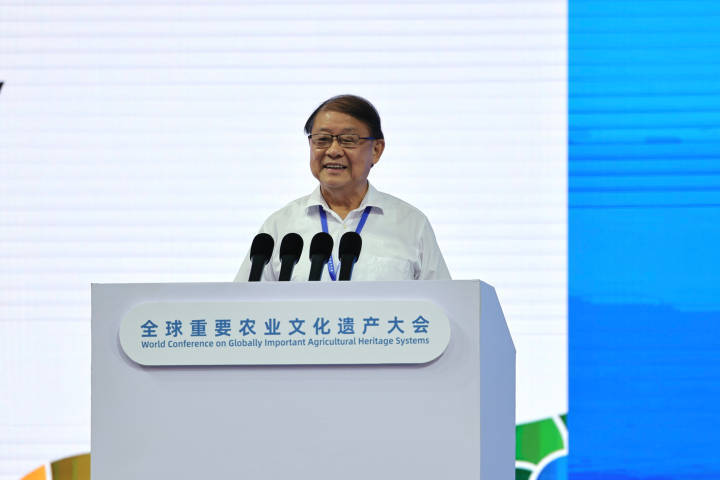
Zhejiang Huzhou Sanji Fish Pond system has been used for thousands of years in the area. At the ecosystem level, resources can be used well. And the Qingtian rice fish symbiosis system has a history of 1200 years. In Qingtian, you can see the various colors of these fish. These rice fields have rich genetic diversity. Studies have shown that the genetic background of these fish is different. Preference for different types of feed.
Can these traditional agricultural heritages express the "secrets" of production toughness, can it be used in our future? We live in the "Earth Village". Traditional wisdom must be protected and learned well, and we can use it in our future agricultural development.
[9:54] Chief scientist of Kenya National Museum Harinda Oyei Video Speaking
Good morning, I asked everyone in Nairobi, East Africa.
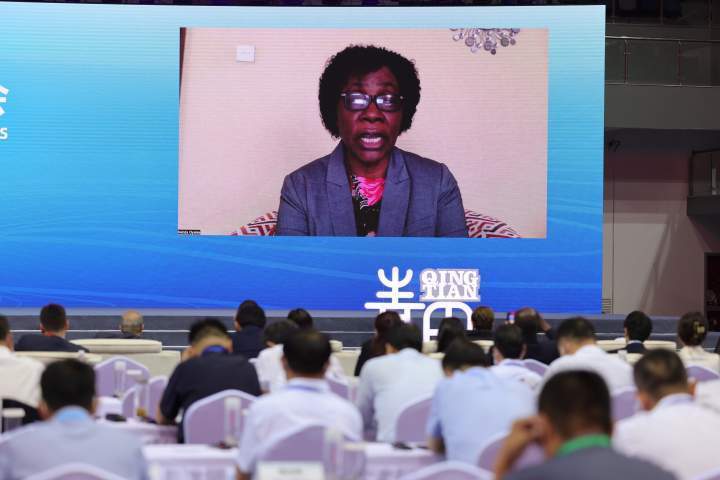
There are some grain crops in the world with toughness, which have been considered to resist bad climate conditions, and some communities in East Africa are in such a harsh environment. During the drought, these grain crops with tough climate will bring convenience to the community. However, most of these crops have not been planted or are not valued. Local communities are more willing to plant foreign economic crops with rapid growth, but these economic crops are difficult to resist bad climate conditions. Today, East Africa countries are in trouble, thinking about how to achieve the UN sustainable development goal -zero hunger, so we need to achieve diversified cultivation.
I look forward to seeing more GIAHS systems, and hope to determine, implement and promote more GIAHS systems with the support of governments and development partners of various countries.
【9:47】
Gui Jianfang, academician of the Chinese Academy of Sciences, spoke
How to achieve leapfrog development from rice fields to ecological agriculture? I visited and learned about the Qingtian rice and fish symbiosis system, which is one of the typical cases of rice farming transformation to ecological agriculture.
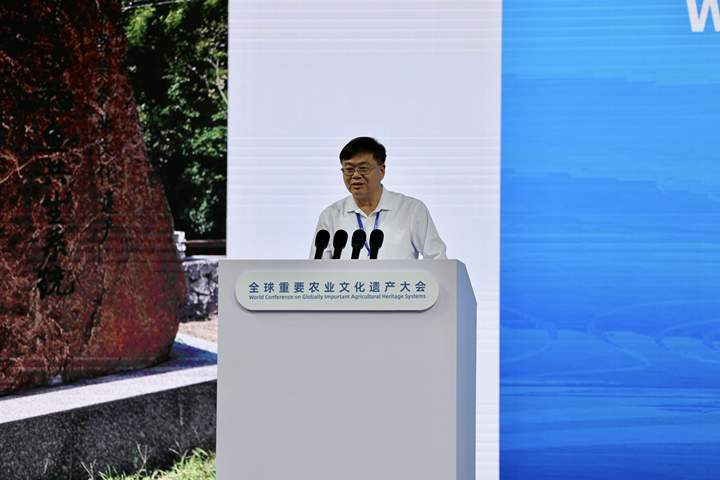
The rice fields are similar to that of Chinese aquaculture, and it has a long history of about 3,000 years. Archeology and text records dates back to more than 2500 years ago. The Paradig about the Integrated River Fishing Health Ecological Agriculture has become a technical starting point and supporting industry for the strategy of rural revitalization. A group of high -value aquaculture suitable for rice fields is used. The national ecological agricultural policy has liberalized the market, and the market has forced breeding technology Innovation and the formation of the seed industry, scientific and technological innovation has developed comprehensive ecological breeding technology, and comprehensive breeding nourishment advantages have spawned the ecological agricultural paradigm.
【9:40】
Giahs Global Coordinator Haru Tengfang Ying Video Speaking
The goal of the GIAHS plan of the Grain Agriculture Organization is to protect the GIAHS site, promote the social and economic development of rural communities, and increase the benefits of farmers.
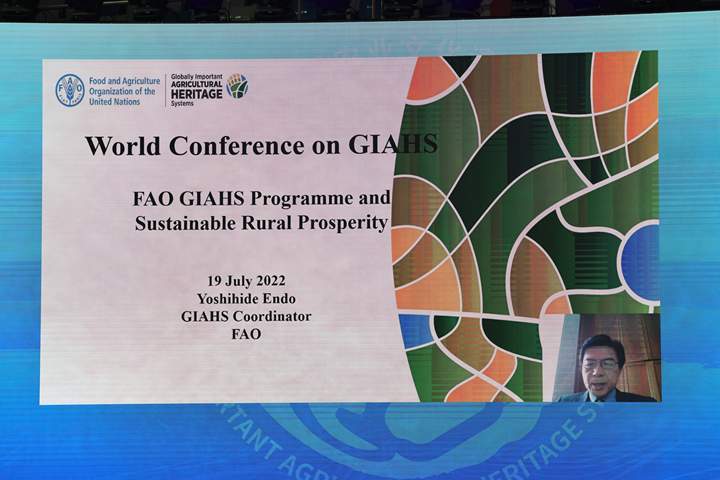
If we can take careful design measures and actions at the GIAHS venue, we can promote the market sales and economic value of agricultural products and agricultural tourism while maintaining the unique agriculture, and create a new source of income. Therefore, how to prepare for the quality action plan and how to effectively implement these action plans are the main factors to realize rural prosperity and good venue management. I hope that member states can provide relevant support for the GIAHS program of the Food and Agriculture Organization.
【9:38】
GIAHS and the tough topics of the grain system discussed by Gu Weibing, director of the International Exchange Service Center of the Ministry of Agriculture and Rural Affairs
【9:30】
Maria Teresa Adeel, the head of Synian Olive Tree Agricultural System in Senia, Spain
The Senia region consists of 27 cities and is the most concentrated area of the world's millennium ancient olive trees. Olive trees are the most important crops in this area, accounting for 16%of the total area. As of now, there are more than 6,500 olive trees with a shade length of 3.5 meters and a height of more than 1.3 meters.
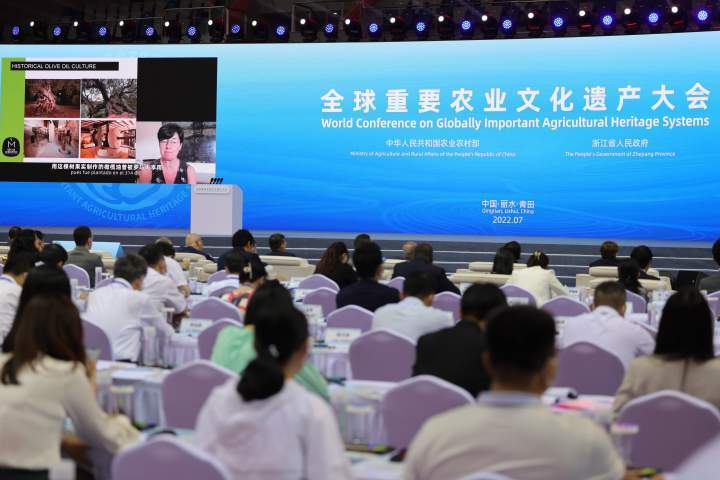
Since ancient times, olive trees and olive oil culture have been an important feature of this area. We can see a variety of historic olive trees and olive oil mills.
For 15 years, we have been committed to protecting olive trees, increasing the value of olive trees, popularizing the awareness of the protection of olive trees, and participating in the protection legislation of olive trees. In recent years, we have carried out a series of millennium ancient olive trees to promote the coordinated development of olive oil tourism and agricultural production.
We have opened the Millennium Olive Tree Museum, launched tourism products such as visiting explanations, olive oil breakfast and tasting, olive oil tourism routes, open -air concerts and other tourism products; We started from the campus to guide children to protect and cherish olive trees, olive fruits and olive oil from childhood.
【9:25】
Min Qingwen, chairman of the China GIAHS Expert Committee, spoke
The symbiosis of rice and fish is a model of agricultural cultural heritage.
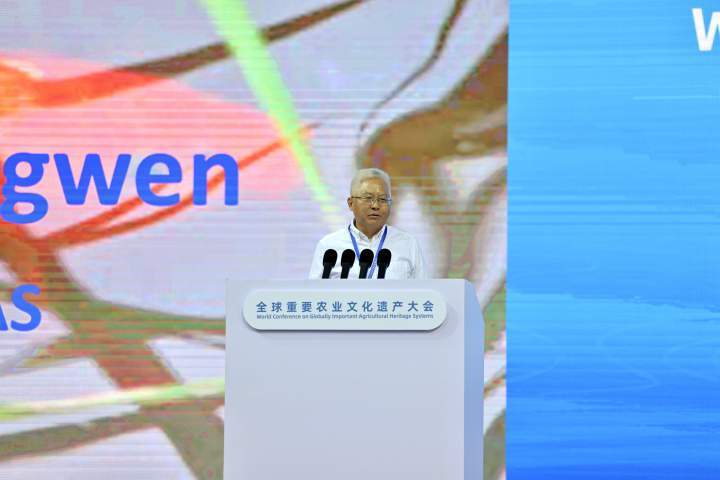
Deep ecological philosophy helps to understand the relationship between people and nature. The traditional technologies of environmental protection help to achieve green development of agricultural. Unique agricultural varieties help promote the development of characteristic agriculture. Multi -culture is conducive to the stability of rural society and beautiful landscapes. It is conducive to promoting the development of multi -functional agriculture.
【9:17】
Parviz Kurvikkan Video Speaking
I have always had a high degree of evaluation and admiration for the Chinese rice and fish symbiosis system. Now it is the 20th year of its innovative solutions that have been successfully implemented, disseminating and creating local economic development and prosperity through agricultural heritage protection. The rice fish symbiosis system has successfully spread in neighboring countries and the international community. Therefore, we celebrate the 20th anniversary of the success of Giahs.
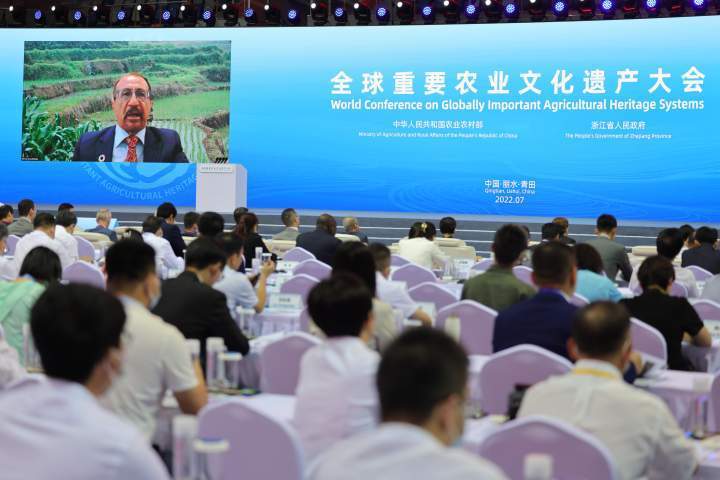
Giahs is a future heritage! I promoted this slogan 20 years ago. For the sustainable development of today and the world, the same motto is still effective and even more meaningful.
【9:10】
GIAHS Science Consulting Group Chairman Ba Mu Xinxing Online Speaking
In May of this year, we newly designated three Chinese GIAHS sites, namely Guixian Drought Stone Stone Terraces System, Anxi Tieguanyin Tea Culture System, and Arukor Qin Plagrass Nomadic System in Inner Mongolia.
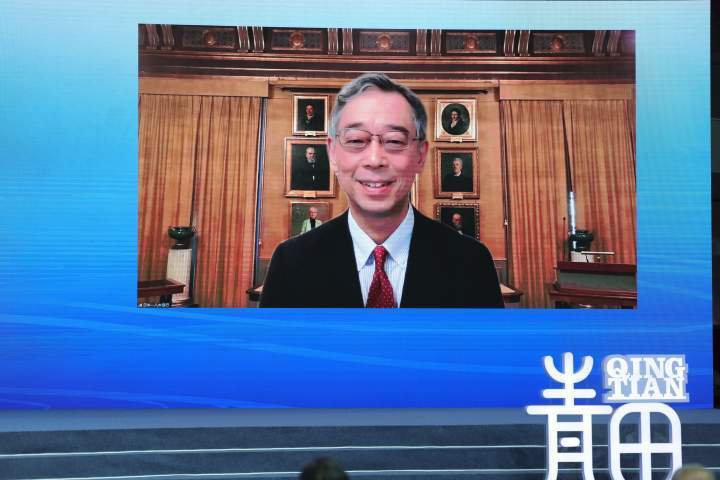
Anxi Tieguanyin Tea Culture System is another wonderful place. In the tea garden, other big trees are also retained to provide shading for tea trees and provide habitat for other small animals such as spiders. China and Japan have more similarities in agricultural systems and people's attitudes towards nature. In China and Japan, people are part of the ecosystem and play a role.
【9:08】
FAO climate change, biological diversity and environmental office director Edwarddo Mansur video speech
I am honored to participate in the Global Important Agricultural Cultural Heritage Conference.
This is an important occasion, and it is also a chance to review the research results of GIAHS in China and the world in the past 20 years.
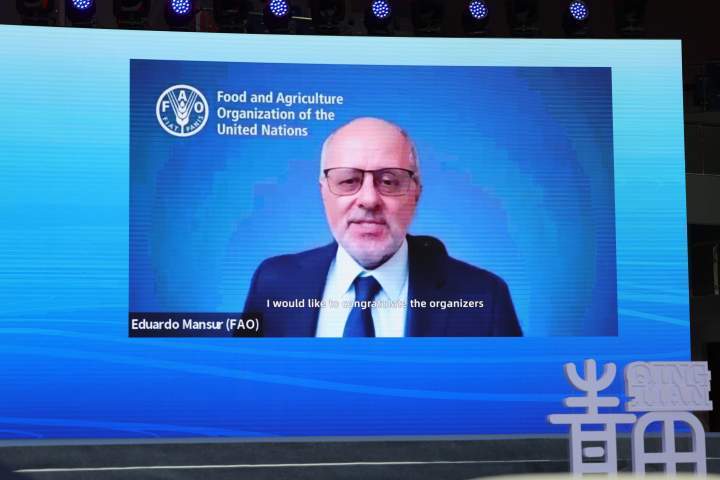
Training and international conferences that China is promoted to spread the practice of agricultural heritage and sharing experience.
【9:03】
GIAHS and rural sustainable development topics are discussed by Xie Jianmin, a first -level inspector of the International Cooperative Department of the Ministry of Agriculture and Rural Affairs
【9:00】
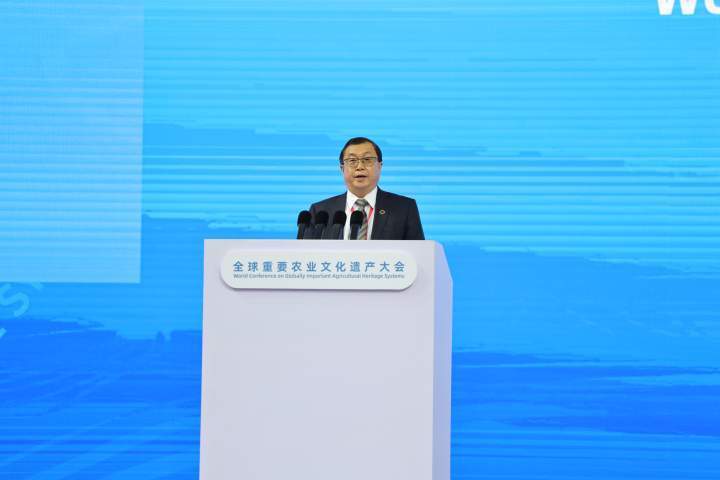
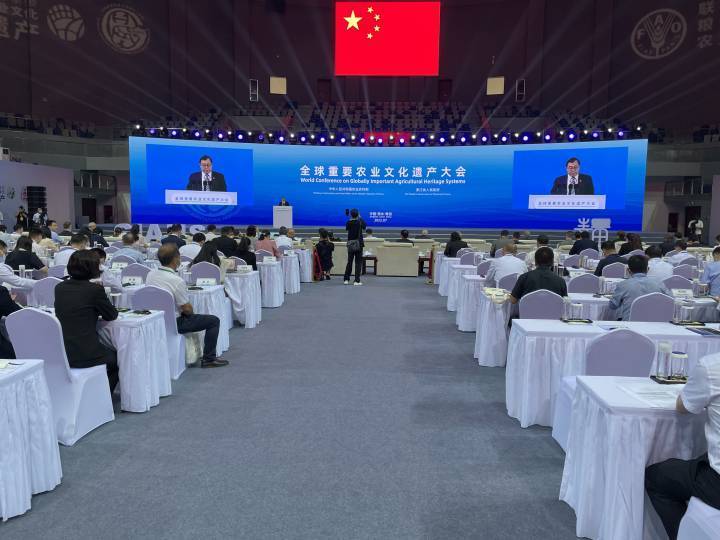
From July 17th to 19th, 2022, the Global Important Agricultural Cultural Heritage Conference jointly sponsored by the Ministry of Agriculture and Rural Ministry of the People's Republic of China and the Zhejiang Provincial People's Government will be held in Qingtian County, Zhejiang Province. On the morning of the 19th, three special forums were carried out around the global important agricultural cultural heritage and rural sustainable development, the toughness of the grain system, and the improvement of farmers' livelihood.
- END -
Live broadcast at 7:00 tonight | Talk about youth and talk about struggle- "Five Five" new book sharing session
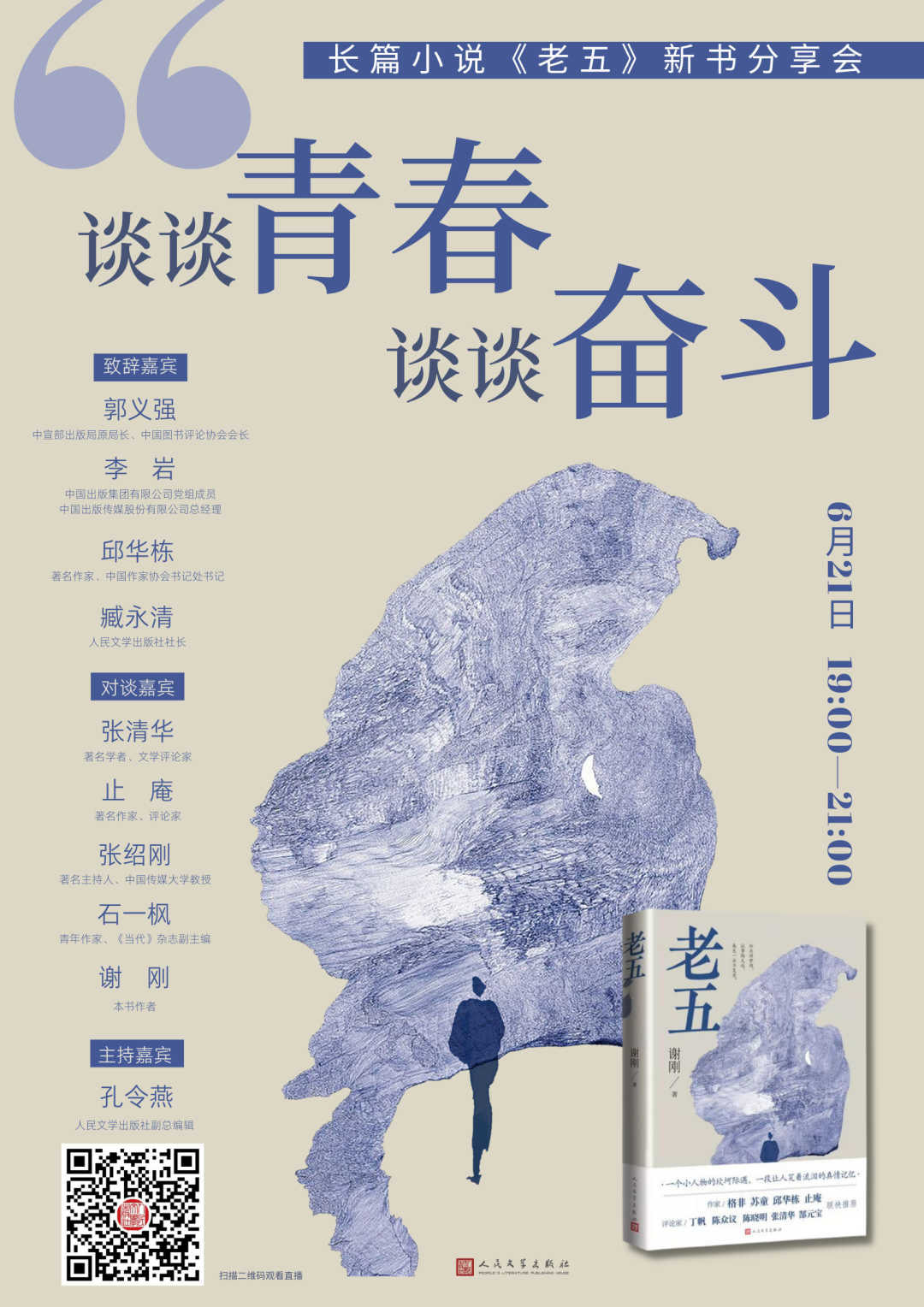
Recently, the novel The Five was published by the People's Literature Publishing H...
A cup of tea in life, understanding its aroma, can understand tea
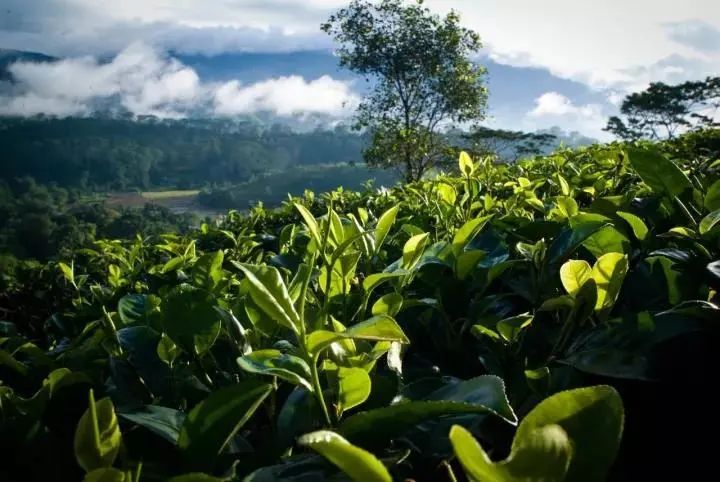
A cup of tea in life, understanding its aroma, is to understand tea.The formation ...