Above the silk road, the history of service trade has been written for thousands of years
Author:Gansu Provincial Department of Time:2022.09.01

This article is about 4500 words
Reading requires 12 min 12 min
The concept of "service trade" was recognized by mainstream Western economists in the 1980s, but in accordance with the definition given by the General Agreement of Services and Trade (GATS )- "service trade" is "a legal person or a legal person or a country or Natural people in their territory or entering other countries to provide services to foreign legal persons or natural persons. "This seemingly modern definition. If you think about its essence carefully, it is not difficult to find the history of" service trade ".
The service trade in the broad sense has existed for thousands of years. In ancient Chinese and foreign exchanges, many allusions and legends that were closely related to "service trade" were said to be surprising.
Speaking from "The Book of the Section "-
Service trade in the Qin and Han dynasties
Invite one country's engineering designer to another country to host an engineering construction project. This is "architectural service". In 237 BC, when Zheng Guo, a water conservancy engineer he was trusting, was actually an enemy spy, the young Qin Wang Zheng was furious and immediately issued a "guest order" who worked and lived in Qin State. At the critical moment, the guest from Chu State Li Si came forward and presented to Zheng Zheng on the famous "Book of Hakka".
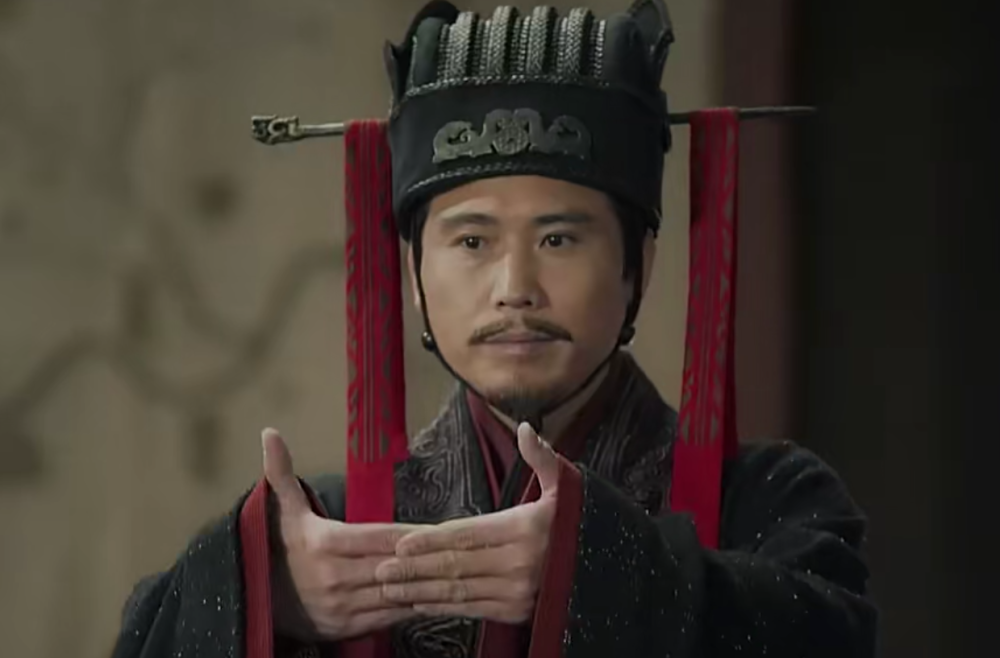
Li Si in the film and television drama. Source/TV series "Daqin Fu" screenshot
In the article, Li Siyin analyzed the reason why Qin Kingdom was able to be stronger than the six kingdoms, and he rely on Baili, Shang Ye, Zhang Yi, Fan Ye, etc. from Kanto. Li Si pointed out that the prosperity of a country is not only in the vanguard, the national adults, and the bravery of the soldiers, but also the mind and spirit of "Taishan does not allow the soil and the river and the sea."
It was under the persuasion of Li Si's "The Book of His Seek" that Qin Wangzheng not only recovered the "Words of Fighting", but also strongly recruited the noble elite and capable craftsmen from the six oriental nations, and laid a solid for the end of the six nations and the world of the world. The basics.
Since the Han Dynasty, as Zhang Jian, Ban Chao and other people with aspiring continued to develop in the Western Regions, crops such as walnuts, pomegranates, grapes, pepper, etc. from Central Asia have been introduced into the Central Plains. The musician took root in Changan and Luoyang. Speaking of which, this belongs to the culture and entertainment part of "service trade". "Hou Han Book · Five Elements" records the grand occasion of the Emperor Han Ling's administration, "Hu Di, Hu Wu, Kyoto's expensive Qi are competing for it".
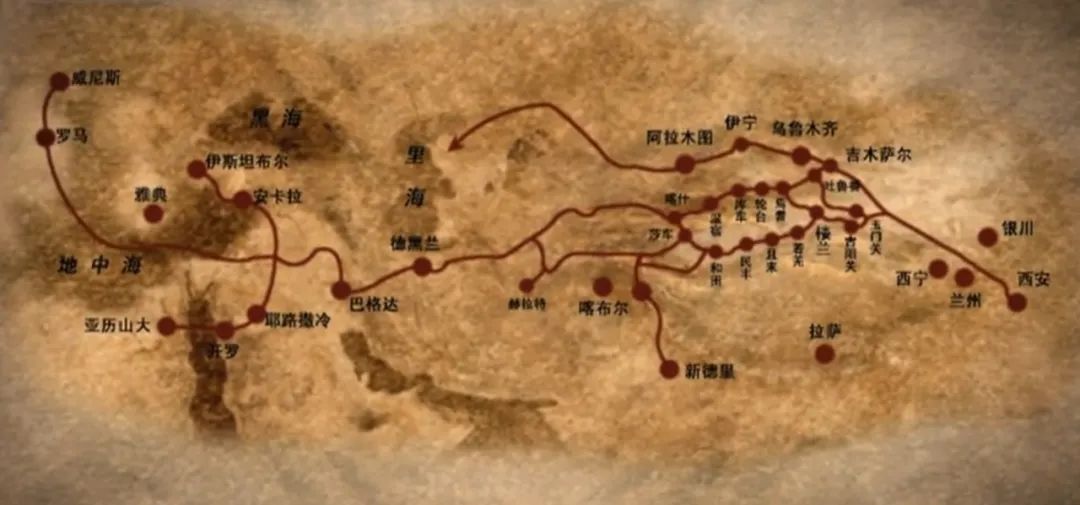
Han Dynasty Silk Road. Source/Documentary "Silk Road" screenshot
Of course, while absorbing the results of exotic outstanding cultural achievements, the ancient Chinese dynasty also exported its own "service trade". With the best selling of silk fabrics, ancient Chinese clothing and etiquette culture were also widely spread in Central Asia. For example, during the Emperor Han Xuan, Wang Zuobin, the king of Guizi, then "returned to its country, governed the palace, was used as a palace, and went in and out of the road. The introduction of these clothing and etiquette culture into a system is obviously indispensable for the Central Plains to teach and on -site guidance. Therefore, it can also be regarded as an ancient "service trade".
Junjia Donghai East, Jun went to the autumn wind--
The "service trade" behind the Tang envoys
With the rise of the Sui and Tang dynasties, China has further deepened its cultural and political influence on East Asia. From today's perspective, during this period, in addition to a large number of Western Merchants who settled in the Central Plains, the "Hu Ji Zou Suo, Yanke Drunk Golden Bottle" entertaining the "service trade" "It is also quiet.
The development and extension of the "Maritime Silk Road" has made the exchanges between North Korea, Japan and Southeast Asian countries and China. And those who have come to the "Emperor Sui" and "Tang envoys" can also be regarded as "commissioned" in ancient "service trade" in addition to their diplomatic functions. Many of them "learn to return to the country" and introduce China's advanced political system, production tools, and lifestyles into their own homes, and some choose to stay in Changan. The most famous is Abe Zhong Malu, who was once the secretary of Datang.
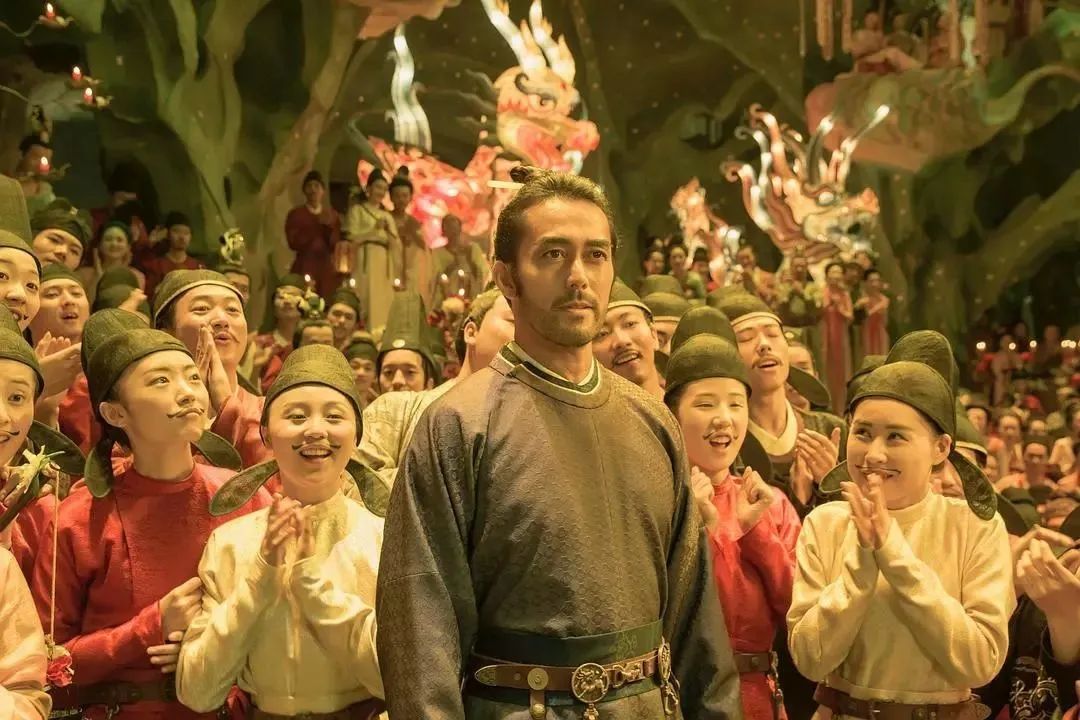
Abe Zhong Malu in the film and television drama. Source/movie "Demon Cat Biography" screenshot
In addition to secular politics, the spread of Buddhist culture can also be regarded as a part of the "service trade" of East Asia in the Sui and Tang dynasties. In 710 AD, with the completion of the Pingchengjing of Changan tomorrow, the "Nara era" kicked off. After a long period of accumulation and continuously assigned monks to study Tang, Buddhism's rapid development of Japan during this period. Chinese monks and other Chinese monks and disciples who are good at painting and statue skills have introduced Japan to Japan that is more in line with the East Asian faith system.
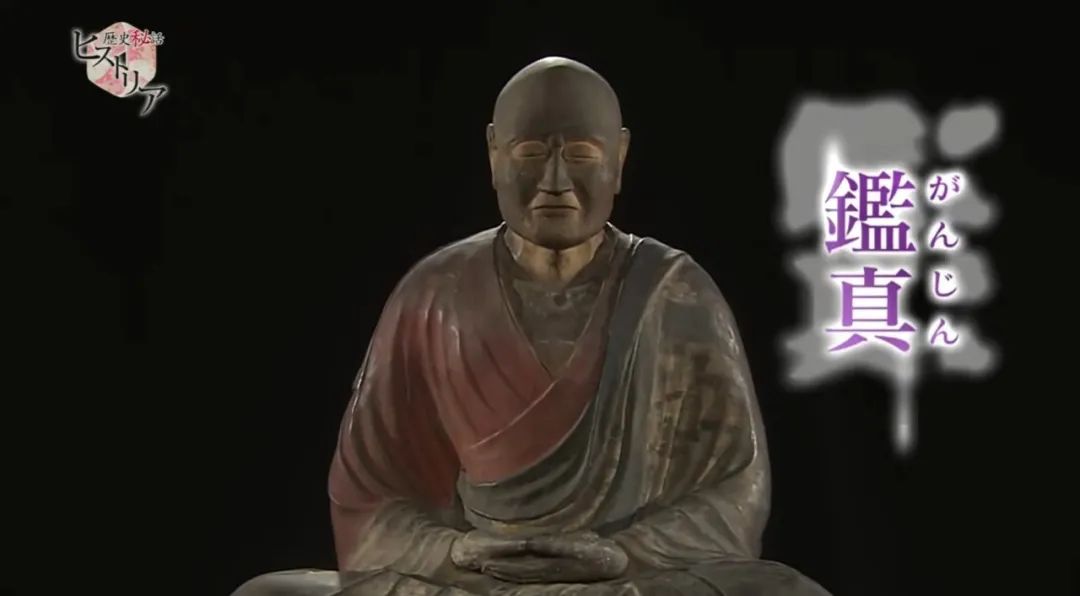
For example, when Jianzhen was eastwarded in 743 AD, he carried the Buddhist scriptures, Buddha statues, scriptures, spices, medicines, and jade craftsmen, painters, carving, casting, embroidery divisions, cultivation, monument and other craftsmen and other craftsmen. 85 people formed a huge "service trade" team. When Jian Zhen finally crossed the east for the sixth time, there were 24 disciples. Among the 24 people, Pan Xiantong, a disciple from Yangzhou, is a professional technician who casts the Buddha statue. An Rubao (Sog) from the Western Regions is an expert in the construction field. It was such a professional team that Jian Zhen's arrival has attracted great attention from Japan. In fact, behind the famous Jian Zhen, there are countless unknown monks and craftsmen crossing Haidong to go to the Tang Dynasty's calligraphy, architecture, art, food, Buddhism, medicine, sculpture and other professional knowledge to "serve the service The form of trade to Japan is taught. Jianzhen statue. Screenshot of the Source/Historical Secret Series "Jian Zhen and his disciples"
With the longing for the Central Plains, many Japanese "study abroad monks" came from the sea. For example, in 804 AD, among the eighteenth batch of Japanese envoys, 45 -year -old monk Lingxian and the empty sea monk who had just been involved in the Buddhist gate. Lingxian Buddhist science is profound. This goes to Datang to seek the true scriptures. After the ears of the Central Plains monks, Lingxian eventually became the only "three Tibetan mage" in Japanese history because he was proficient in the scriptures, laws, and theory in the Buddhist classics. Konghai has been in the Qinglong Temple for half a year, and has carried a large number of scriptures when returning to China to play a vital role in promoting the development of Japanese Buddhist culture. Later Japanese novelists even fantasized the strange stories such as "The Biography of the Demon Cat" based on the experience of Konghai in Changan.
Interestingly, although the time of studying abroad in Konghai is short, because of the experience of studying in the capital of Datang, it has successfully occupied the top of the Japanese "Study Abroad Monk" contempt chain, which has won the weight of the Japanese royal family. The Japanese monk who had studied in Tiantai Mountain, Zhejiang asked him the most clearly, and was scolded and scolded by him.
One boat Mingyue a sails-
International transportation service trade in the Yuan and Ming dynasties
In today's globalization, "International Transportation Services Trade" has already become an important bridge between different countries and different continents. Talking about the ancestors of "International Transport Services Trade", many people will naturally think of the Dutch Republic, which was once known as the "Marine Carmaster".
The Dutch Republic, which is independent from Spain, does not have enough good fields to support a large number of Protestant Immigrants. They can only surround the sea to build fields and sparsely dry swamps. They organize huge fishery fleets to go deep into the North Sea, catch catfish, and even go deep into the Arctic Ocean Hunting Giant. At that time, the cargo ship of the orange -white and blue three -color flag was fluttered, and the wheat of Ozer, the wood of Kurland, and the iron ore in Sweden from the Baltic Sea. These raw materials went out to the sea in the form of various elements in a very short period of time, and eventually made the Netherlands the largest "international transportation service" provider in Europe at that time.
Dutch colonial point painting. Source/Documentary "Golden Age" screenshot
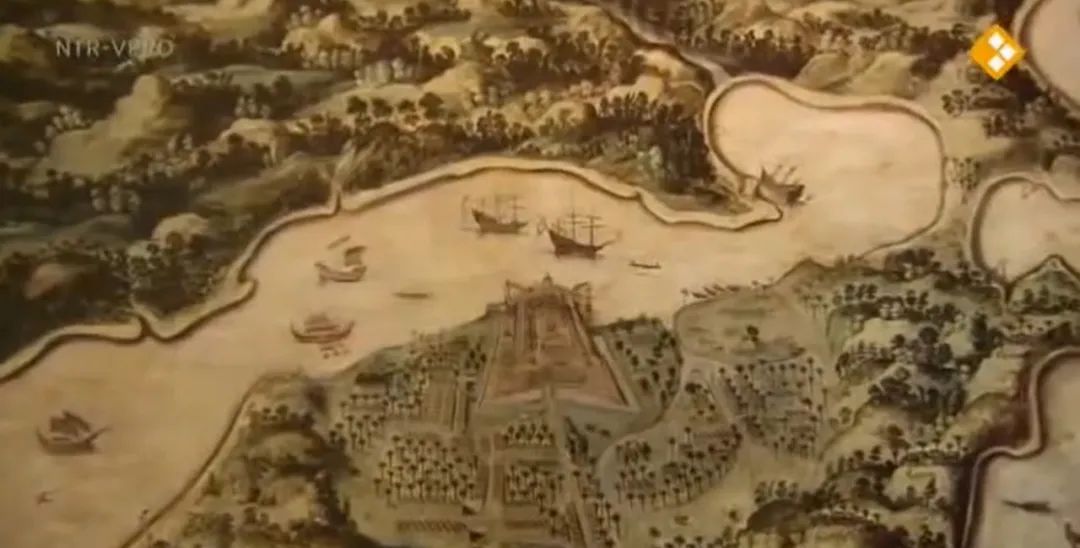
In fact, when the Western world is still lamenting the successful business model of the Netherlands, there are two famous dynasties in the distant Oriental, which is committed to creating an intercontinental supply chain and providing safe "international transportation services" to all countries along the route. They are the Yuan Dynasty and Ming Dynasty in Chinese history.
The vast Yuan Dynasty has an unprecedentedly developed post -road system, allowing businessmen between Eurasia to complete business travel safely. According to Italian travelers Marco Polo, even if they follow their father and uncle in the hinterland of Central Asia, they were not disturbed by bandits, because the Mongolian cavalry who exchanged would escort them.
Compared with the convenience provided by the Yuan Dynasty in land transportation, the "Treasure Boat Fleet" created by Mingchengzu Zhu Xi provided a luxurious "first -class" passenger service for the Southeast Asian royal family for a long time.
Zhu Xi and his fleet. Source/TV series "Mountains and River Moon Ming" screenshot
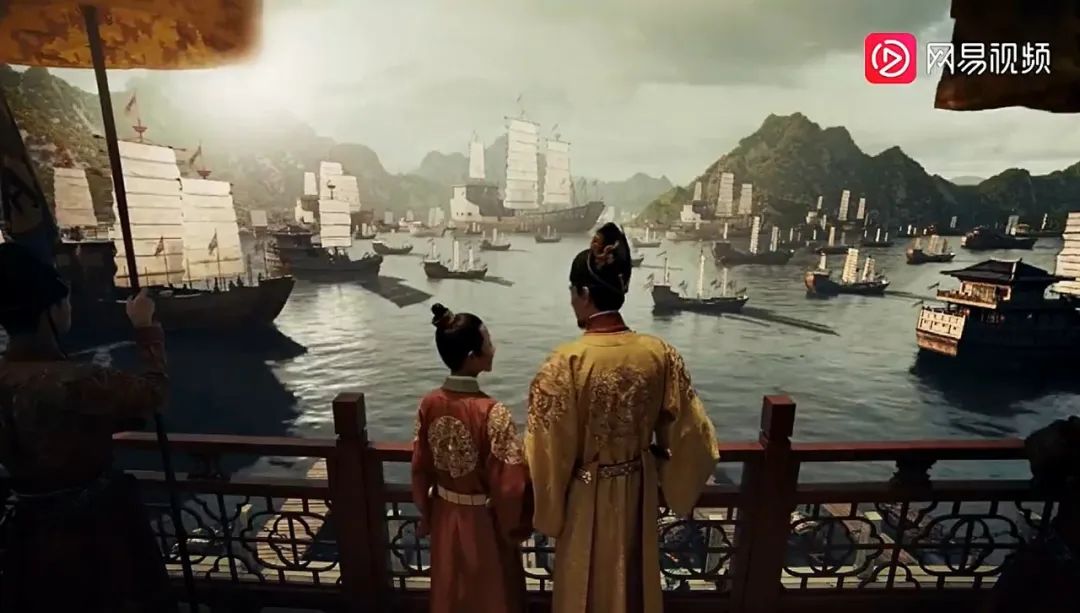
Although Zheng He's fleet has achieved great success at the level of international exchanges and declarations of Daming's sovereignty, how to calculate the economic accounts of its "seven times to the West", the historical community has always had different views. Some scholars believe that Zheng He has spent huge costs in the west seven times and has not obtained precious metals such as quantified gold and silver. Therefore, for the Ming Dynasty, it was a huge financial burden. However, the benefits of Zheng He's fleet in the economic field obviously cannot be measured with simple gold and silver. We might as well use a more modern point to see if it has the effect of promoting the production of Daming nationals at that time. The answer is certainly yes. On the one hand, the construction and maintenance of large sea vessels such as Baeku, to a certain extent, promoted the development of handicraft industry in the Ming Dynasty; on the other hand, the Zhenghe fleet's voyage also opened the door of overseas markets for Chinese businessmen, promoting domestic porcelain and Production of silk fabrics. This is a typical case for serving trade to drive cargo trade.
East School Westward--
Western "service trade" in the Ming and Qing dynasties
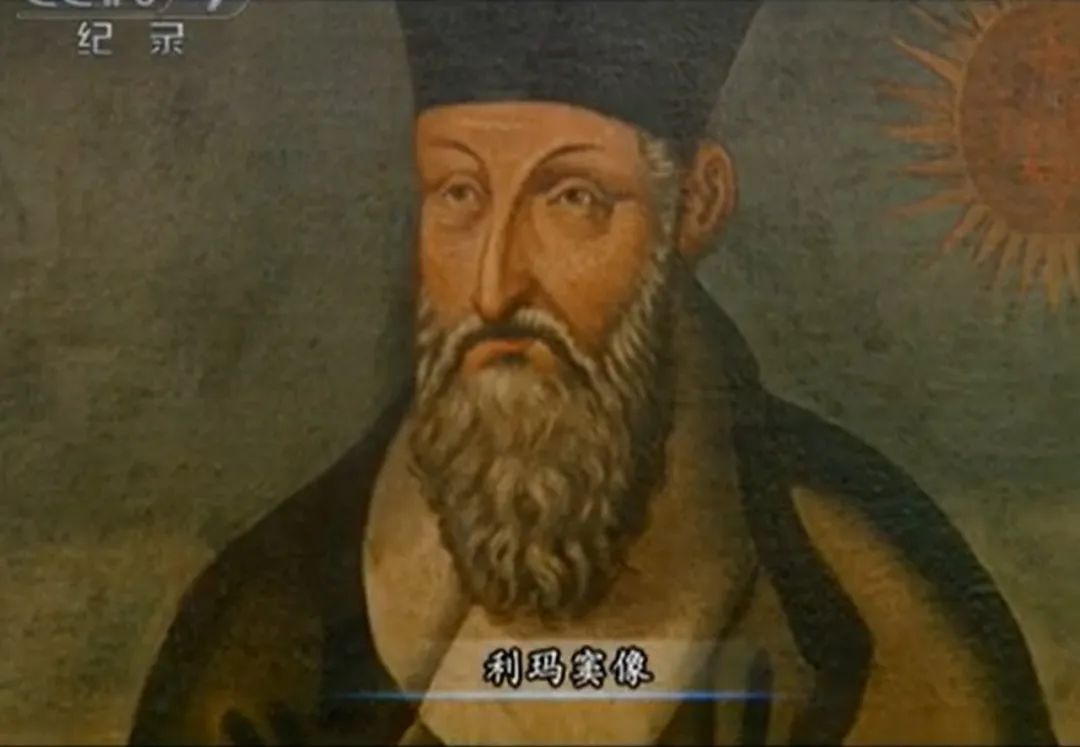
We have already said a lot of "education services", most of which are Chinese output. After the 16th century, the service trade that was originally entered in China was "educational service". For example, the Catholic Jesuit missionaries, Matteo Ricci, became Mo Ni, who became full of Chinese learning such as Xu Guangqi. In the process of mutual learning, Xu Guangqi and Matteo Ricci translated the book "Geometry Original" created by ancient Greek mathematician Ou Jili. From the perspective of spreading knowledge, Matteo Ricci is more like a "foreign teacher" to China.
Matteo Riccius portrait. Screenshot of the source/documentary "Historical Celebrities and Macau"
Since then, in order to fight against the Golden Tieqi, Xu Guangqi, a "western scholar" with advanced vision, also suggested that in addition to buying Western artillery, Chongzhen also hired Portuguese gunners and cast artillery to help the battle in Beijing. Therefore, in 1627 AD, a Portuguese team consisting of 25 artillers and 28 artillery instructors. They carried 10 red cannons to start a trip to Beijing. The history is called "Xili entered Beijing" or "Portuguese entered Beijing. "".
In June of the four years of Chongzhen (1630), the Ming Army sent 13 Portuguese instructors to go out to the sea to support the front line of Pi Island. The Battle report recorded the artillery ship commanded by the Portuguese, and a total of nineteen cannons fired, and about six or seven hundred people after the aftermath of the Golden Army were killed. The news came from the Ming Dynasty, and it was excited. It was determined that the victory of the Pi Island naval battle had helped Daming find the magic weapon to defeat the enemy. It is a pity that although these Western artillery played a huge role on the battlefield, they were eventually plundered by Kong Youde, Geng Zhongming, and Shang Ke and others in Dengzhou's mutiny. Instead, they became Daming's confidant.
More than 300 years later, the Qing government in the late dynasty, in the military and even the entire industrial field, also launched a more far -reaching foreign affairs movement. Based on the principles of "Shi Yi's long -term techniques", the Qing government also hired many military experts and professional officers from the West, and created the largest Asian fleet with their help.
Among the many Western military advisers in the Beiyang Fleet, the most famous is the former British Navy Lang as the former British Navy's prestige of the "Beiyang Marine Division". He has rigorous personality, and he is rigid and cautious in working in China. Because of the "Nagasaki Water Crimpa incident", he was discouraged and resigned on the grounds that the Beiyang Fleet went south to Hong Kong to avoid frozen and universal. In the end, this seemingly powerful and modern fleet was defeated in the Sino -Japanese War. Although there are many factors, one thing is certain, which affects the key industries such as national security and people's livelihood. In your own hands.
The main force of the Beiyang Fleet in Lushun. Source/Modern China Imaging Database
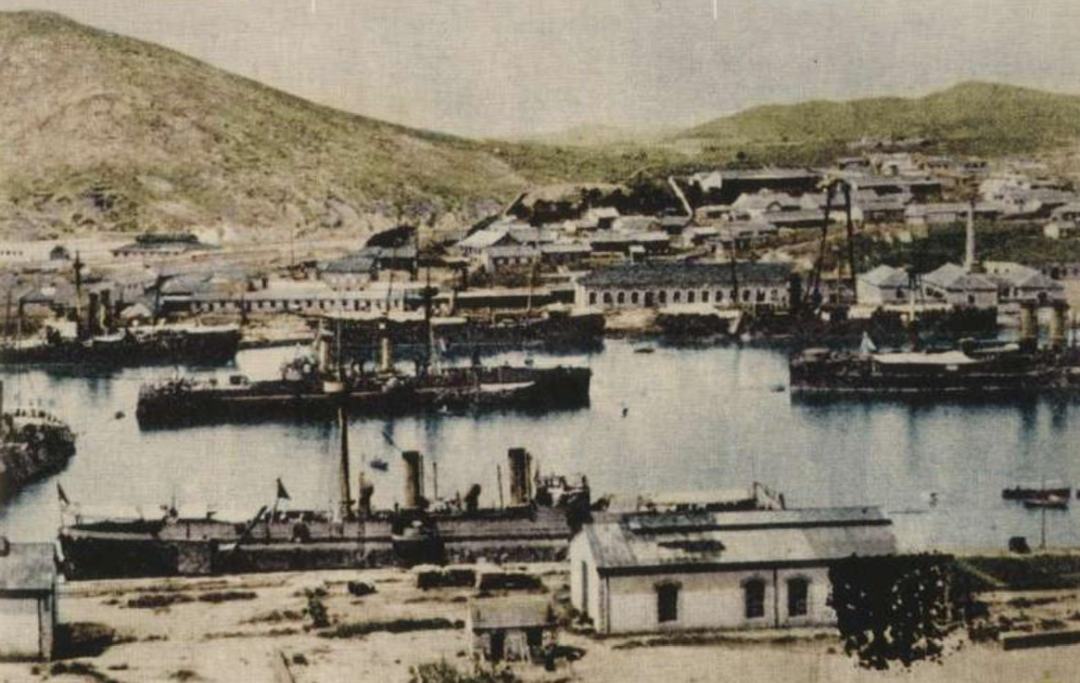
Another thing that is worthy of attention is that in addition to the gap between the Sino -Japanese War of the Sino -Japanese War, in addition to the gap between the weapons and equipment and the morale of the two sides, the gap between transportation methods and communication methods has also played a decisive role. On March 31, 1854, after the official signing of the "U.S. -Japan God Naikawa Treaty", the United States opened the Japanese gates. The train model of the rail and the world's advanced telegraphs at that time, as the Japanese side was treasured, launched systematic research and imitation.
It is in a large number of European and American experts and technicians to build their own railway and paving telegram networks in a "service trade" manner that Japan can be described as the first opportunity to take advantage of troops mobilization and intelligence in the Sino -Japanese War. The Qing government did not settle down Japan until the Sino -Japanese Sino -Japanese defeat, and began the construction of railway and telegraph systems. This is a "communication service" in service trade.
Finally, let us examine the service trade. It seems to be a new thing, but when we think about its essence, it is not difficult to find that since the birth of goods trade, the service trade has appeared. No matter which era, a caravan leaves the country, enters another country, and inquire about how the nearest market will go with a roadside person. He enthusiastically introduces you to a businessman who is willing to buy your goods in the market and collects 20 20 of them, and collects 20 of 20. The introduction fee for copper coins is the "sales service" in the service trade. Therefore, service trade is around us regardless of ancient and modern.
In the history of thousands of years of civilization, we have seen trade in goods such as wood, silk, porcelain, tea, and pepper, but in addition, we often ignore the service trade: the exquisite design of a technician, the hard work of a craftsmanship The beautiful dance of a singer, the wonderful performance of a musician, the accurate information of a businessman, the old way of a sailor, the teachings of a monk, the key point of a general ... It is these "service trade" to a one The development of national nations is extremely important, and there will be development prospects for Hainan.
In the era of globalization, the economies of various countries are closer, new technology changes and new industries have made the prospects of service trade more broad, and seizing opportunities for service trade development are extremely important to all countries. The service trade is not far away, just by our side. Now that the "Service Trade Club" is ongoing, I wish you a good achievement!
2022 China International Services Trade Fair site

End
Author | Zhao Kai
Edit | Zhan Qianhui
School Division | Torch Li Dong Bin Bin Guyue
*This article is the exclusive manuscript of the "National Human History", and readers are welcome to forward the circle of friends.
Article Source: Original Zhao Kai National Human History History
- END -
Humble Administrator's Garden, the elegant flow turns to 400 years
Author | Qinhuai SangFirst Figure | Garden under the White WallIn the early years ...
Yurunhuang | Welcome to 20 classics

Fujian Daily · Xinfujian client June 16th (Dai Yizhen/Picture) In order to thorou...