Female farmers were fined 50,000?The judge believes that improper penalties have changed 10,000!
Author:Yanji Propaganda Time:2022.08.02
Sun Laohan had a trouble. This is the case. Sun Laohan is a farmer. He usually works in the ground when farmers are busy. In the winter, there is nothing to work. He rented a booth at the agricultural and sideline market. , I haven't done it for a long time, Sun Laohan has been on the stall ...
Brief case
In May 2022, a certain product quality inspection institute went to a certain agricultural and sideline product wholesale market in Yanji City to conduct food safety evaluation of agricultural and sideline products. Subsequently, the Quality Inspection Institute issued a food safety inspection report. The report showed that the veterinary drug residue was detected, and the inspection conclusion was unqualified. The market supervision and management department investigated the case, inspected the booth at the scene, and sent the inspection report to Sun Laohan. Sun Laohan had no objection to the test results and did not apply for re -examination. After verification, Sun Laohan has operated aquatic products in the retail hall of the wholesale market before the Spring Festival in 2022. Due to the epidemic reasons, the actual operation has not been more than 2 months, and the operating accounts such as purchase and sales have not been recorded, and illegal income cannot be confirmed. Its purchased case involved 5.5 kg of catfish, 110 yuan in goods, and a profit of 27.5 yuan. The market supervision department issued the "Administrative Penalty Decision" to Sun Laohan in accordance with the corresponding procedures, and decided to impose an administrative penalty of 50,000 yuan. Sun Laohan refused to accept the penalty decision and filed a lawsuit in the court.
Trial
After hearing, the Yanji Court believed that, first of all, according to Article 124 of the Food Safety Law of the People's Republic of China, the content of pollutant content such as pesticide residues and veterinary drug residues exceeded the food safety standards. Early income and illegal production and operations can confiscate the tools, equipment, raw materials and other items used for illegal production and operation; if the value of food value of illegal production and operation is less than 10,000 yuan, and a fine of 50,000 yuan is more than 100,000 yuan, a fine of less than 100,000 yuan Essence In this case, the veterinary drug residue was detected in the aquatic products operated by Sun Laohan. It belongs to the situation stipulated in Article 124 of the Food Safety Law. Fined fines of less than 100,000 yuan.
Secondly, the administrative organs can exercise free tailoring for punishment. The appropriate tailoring of administrative penalties shall be evaluated in a comprehensive factors such as illegal nature, circumstances, and social hazards. Food Safety Law strictly strictly stipulates the legal responsibility of illegal actors and increases fines. Its legislative intention is to improve the illegal cost of illegal actors, let people weigh the advantages and disadvantages before the behavior, make the right choice, and prevent problems before they occur. In this case, Sun Laohan did not know the unqualified products he operated and did not have any intentional situations. As an individual operator, Sun Laohan only purchased 5.5 kg of catfish for the wholesale store for sales, and the purchase quantity was small. The purchase was not checked during purchasing. After the legal obligations of the purchase inspection of the "Food Safety Law" and the legal obligations of the purchase inspection and evidence of the votes, Sun Laohan was not familiar with the legal obligations, which was a subjective fault that was illegal. The behavior of this behavior was illegal for the first time, and the income was only 27.5 yuan, and actively cooperated during the investigation of law enforcement officers. No food safety accidents occurred, and no serious harmful consequences were caused. To reduce the plot of administrative penalties, the market regulatory authorities also recognize that its illegal acts are mild and complied with the law stipulated in the law. In addition, Sun Laohan, as the owner of the market booth of agricultural and sideline products, has not been operating to the incident for more than two months, and the scale and turnover are limited. At the time of the incident in the case, the scale of the scale was seriously affected. Production life. The market supervision organs fined Sun Laohan 50,000 yuan in accordance with the Food Safety Law. Article 77 of the "Administrative Procedural Law of the People's Republic of China" stipulates: "Administrative penalties are obviously improper, or other administrative actions involve the determination and identification of the amount and identification. In terms of factors, the Yanji Court will be changed to "decide the fine of 50,000 yuan for Sun Laohan" to "decide to make a fine of Sun Laohan 10,000 yuan in fines" in the penalty of Sun Laohan's sales that do not meet the food safety standards.
Post -judge language
This case is an administrative penalty case in the field of food and drug supervision. Regarding food safety, the state has always implemented the most rigorous standards, stringent supervision, and stringent punishment. On the one hand, illegal crimes in the food field should be increased to increase law enforcement and increase the cost of illegal costs, and the legislative purpose of the food safety law is also the case. On the other hand, the administrative organs shall also exercise free tailoring in accordance with the principle of considerable principles of punishment. While ensuring the realization of administrative management goals, we should take into account the legitimate rights and interests of the protection of the counterparts. Administrative penalties are limited to the purpose and goals of administrative law enforcement, and as much as possible to minimize the rights and interests of the counterparty. In layman's terms, if only 50,000 yuan is fined, the purpose of punishment and education shall not be fined 100,000 yuan. This is also the substantive connotation of the proportion principle of administrative law. If the administrative organs have not considered the corresponding factors and violate the principle of penalties, and the result of the punishment is obviously improper, the people's court has the right to judge the change according to law.
Administrative penalties have both dual functions. Moderate punishment for illegal acts can not only correct illegal acts, but also enable illegal people to reflect on themselves. At the same time, they can also educate other citizens to consciously abide by the law. If the penalty is too punished and the actual performance ability of the counterparty person, it is difficult to implement the penalty decision, and it is not conducive to establishing the credibility of the administrative organs. Law link
1. The "Food Safety Law of the People's Republic of China" Article 124 violates the provisions of this Law and has one of the following circumstances and does not constitute a crime. The food and food additives produced and operated can be confiscated by tools, equipment, raw materials and other items used for illegal production and operation; if the value of food and food additives illegal production and operation is less than 10,000 yuan, and it will be more than 50,000 yuan. Feming below the yuan; if the value of the goods value is more than 10,000 yuan, and the value of the goods is more than ten times the amount of more than twenty times; if the circumstances are serious, the license is revoked:
(1) Micro -microorganisms, pesticide residues, veterinary drug residues, biological toxins, heavy metals and other pollutants such as pesticide residues, veterinary drug residues, biological toxins, heavy metals, and other material content that harms human health exceeds food safety standards for food and food additives;
(2) Use food raw materials, food additives to produce food, food additives, or operate the above food and food additives;
(3) Foods that use food additives in the production and operation of super -scope and ultra -limits;
(4) Foods and food additives that produce and operate corruption, fatty acids, mildew dyspnea, dirty and unclean, mixed with foreign bodies, adulteration or abnormalities;
(5) Production and operation marked with fake production date, shelf life or food additives that exceed the shelf life;
(6) The production and operation of health foods, special medical use formula foods, infant formula milk powder, or technical requirements for registered product formulas, production processes and other technical requirements are organized;
(7) Production of infant formula milk powder in a distribution method, or the same formula to produce infant formula milk powder of different brands in the same formula;
(8) Use new food raw materials to produce foods, or produce new varieties of food additives, and fail to pass safety assessment;
(9) Food producers and operators still refuse to recall or stop operation after the food safety supervision and management department order it to recall or stop operation.
Except for the situation stipulated in Article 123 and 125 of this law, if the production and operation does not comply with the food, or food additives that do not meet the laws, regulations or food safety standards, the punishment shall be given in accordance with the provisions of the previous paragraphs. Essence
For new varieties of food -related products, those who fail to pass safety assessment or produce food -related products that do not meet food safety standards shall be punished by the food safety supervision and management department of the people's government at or above the county level in accordance with the provisions of the first paragraph.
2. Article 136 of the Food Safety Law of the People's Republic of China Article 136 Food operators have fulfilled the obligations such as the purchase inspection stipulated in this law. If it is truthfully explained that the source of the goods can be punished, it can be exempted from punishment, but it shall confiscate foods that do not meet food safety standards according to law; if they cause personal, property or other damage, they shall bear the liability for compensation according to law.
3. Article 5 administrative penalties of the "People's Republic of China Public Security Management Punishment Law" follow the principles of justice and public.
The setting and implementation of administrative penalties must be based on facts, which is equivalent to the facts, nature, plot, and social harm of illegal acts.
The provisions of administrative penalties for illegal acts must be announced; if they are not announced, they shall not be used as a basis for administrative penalties.
4. Article 6 of the "Punishment Law of the People's Republic of China" shall implement administrative penalties and correct illegal acts. It shall adhere to the combination of punishment and education, and educate citizens, legal persons or other organizations consciously abide by the law.
5. Article 32 of the "People's Republic of China Public Security Management Punishment Law" shall have one of the following circumstances, and it shall be lighter or reduced administrative penalties:
(1) Actively eliminate or reduce the consequences of the harm of illegal acts;
(2) Those who are coercive or deceived by others;
(3) Actively supply illegal acts that the administrative organs have not yet mastered;
(4) Cooperate with the administrative organ to investigate and deal with illegal acts and performance;
(5) Laws, regulations, and regulations stipulate that other administrative punishment should be lighter or reduced.
- END -
Dr. Chen Chunhua's diploma was questioned, and the official website of South China University of Technology has deleted his educational experience
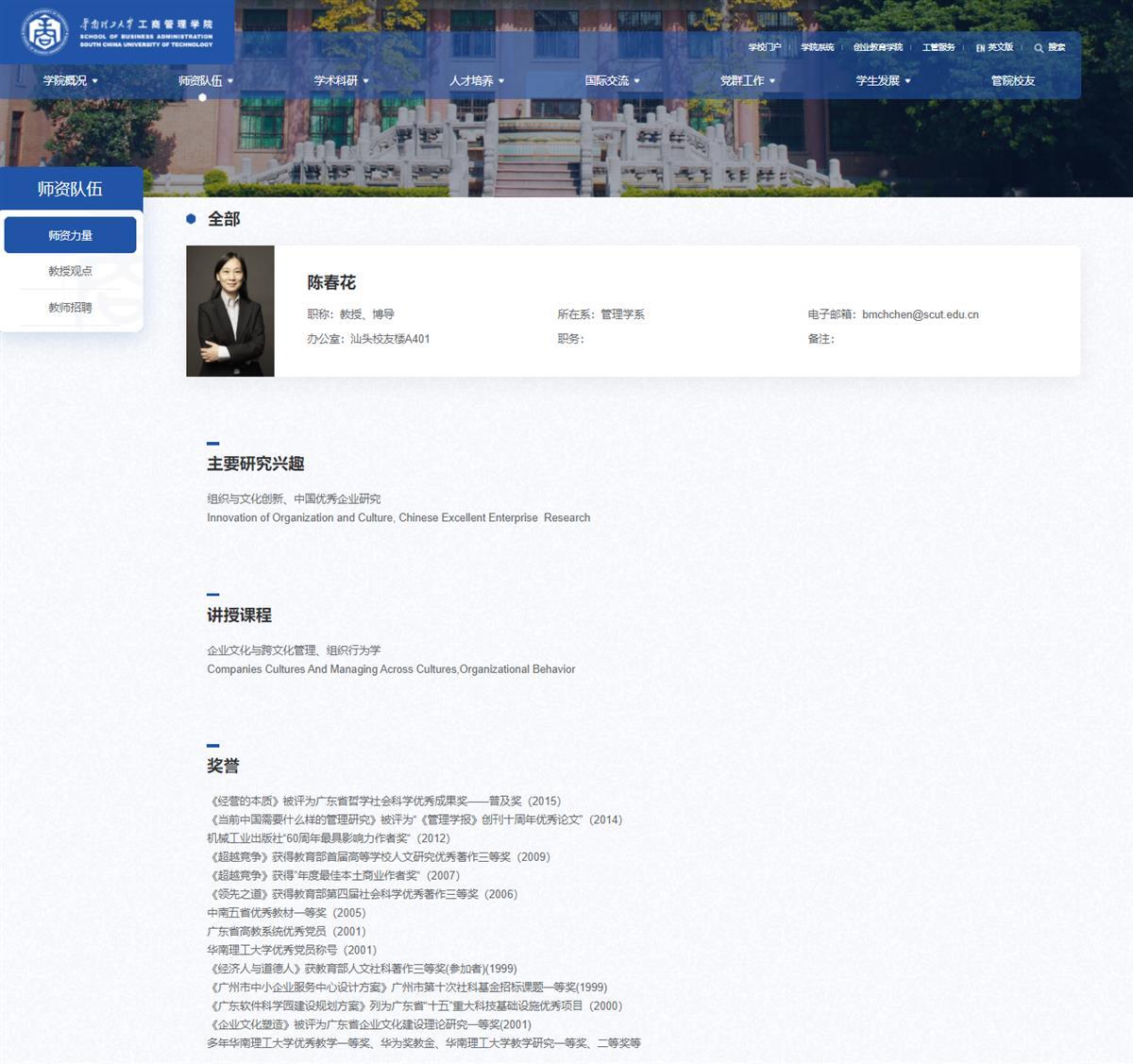
Polar news reporter Man Da Liu XunruiVideo editing Zhou Xin intern Yao Hanzi
Provincial flood prevention inspection team supervised and guided flood prevention work in our county
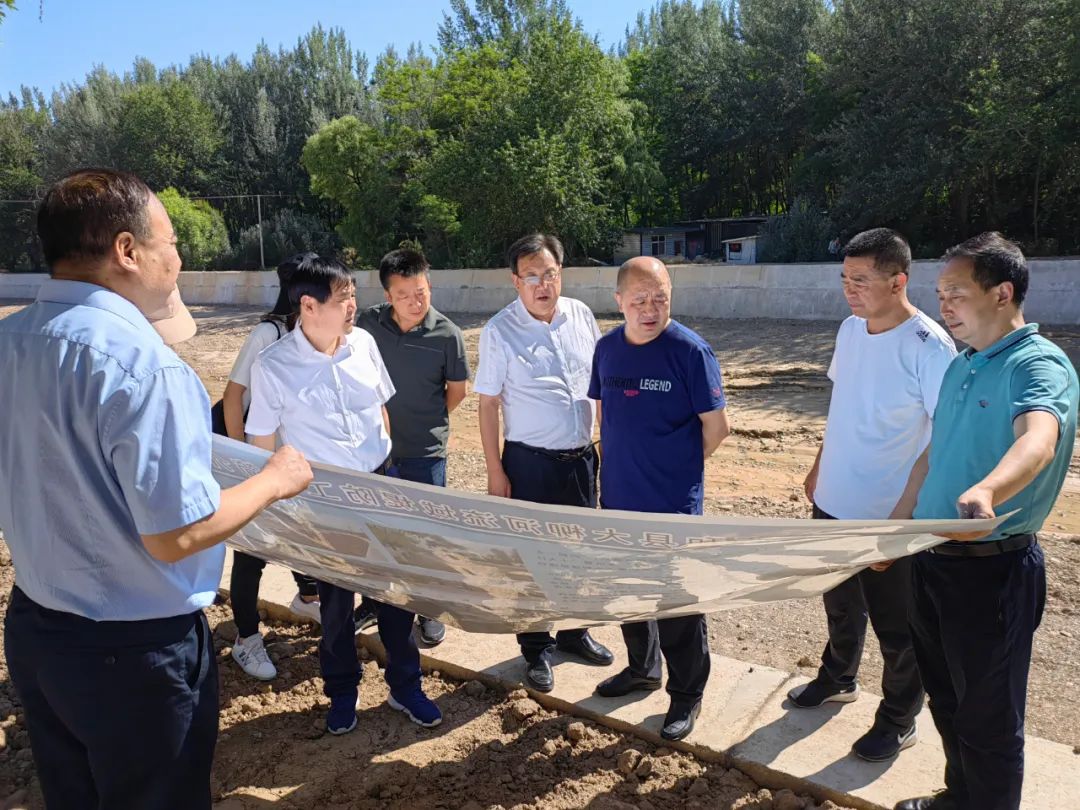
On June 30, He Jianqiang, a second -level inspector of the Provincial Housing and ...