Scholar Huo Wei published the "Third Extreme Archeological Notes" to reproduce the experience of the field inspection in the form of essays
Author:Cover news Time:2022.07.12
Cover reporter Zhang Jie intern Zheng Hao
The top of the Qianshan and the source of Wanchuan's source of Wanchuan, because of its unique geographical environment, is called the "third pole" of the earth. In this magical land, it has bred long -term historical culture and splendid ancient plateau civilization.
When archaeologist Huo Wei was still a college student in archeology, he thought that one day he could go to the Qinghai -Tibet Plateau for archeology and use his hands to unveil the countless unsolved mysteries on this land. In 1990, by the invitation of relevant cultural relics departments, Sichuan University once again sent staff to participate in the second cultural relics census in Tibet. A long plateau, archeological work. In the next thirty years, Huo Wei and his research team have embarked on this land countless times, participated in a series of archeological work many times, and have achieved many exciting new discoveries.
Today, Huo Wei, an outstanding professor at Sichuan University, director of the Sichuan University Museum and the dean of the School of History and Culture, has gained abundant harvest in the archeological field of the plateau. He is the author of "History of Archaeological Discovery and Tibetan Civilization, Volume 1: Prehistoric Era", "Tibetan Times: New Discovery and its research", "Exchange of Foreign Cultural Exchange in Southwest China during the Qin and Han Dynasties of the Warring States Period". While conducting professional academic research, he will also write some publications in some publications.
In June 2022, Huo Wei sorted out the archeological notes that he saw and thought of the archeological excavation work in the "Third Polar" Qinghai -Tibet Plateau in the "Third Polar" Qinghai -Tibet Plateau. Archaeological Notes. The book contains dozens of essays written by Huo Wei's many years of archeological work for many years. Based on the important archeological work and first -hand field inspection data carried out on the Qinghai -Tibet Plateau, the author vividly records the author's excavation and investigation. Discovery, feelings, and thinking in the process of Tibetan ancient cultural sites represented by Karuo, Qu Gong, and Tibetan King Mausoleum. Most of the articles were written by Huo Wei at the field survey site.
Due to natural conditions, archeologists often face many difficulties when the third -pole archeology. In "Finding the Third Polar: Tibet Archaeological Notes", we can see that often given people who are cold and serious archeologists who are also tested when they are in danger. Ordinary people are as ecstatic. For example, Professor Huo Wei took the archeological team under the leadership of the guide to the Dongga Piyang Grottoes for inspection. On the road, he was in danger. A team member stepped on the air, and the whole person hung on the cliff. The situation was very critical. Several people pulled their hands to form a "human chain", and then pulled back the players at the cliff. For another example, Professor Huo Wei and Professor Li Yongxian led a team to Ali to carry out archeological work. Professor Li Yongxian led the car to lose contact with the team in the cold night in the cold night, and anchoring the lake in the uninhabited area. The help of the old Tibetan driver passing by, otherwise the consequences will be unimaginable. For another example, Professor Huo Wei led the team to conduct archeological investigations along the Qinghai -Tibet Railway. The average altitude reached 4700 meters. The oxygen content in the air was only one -third of the plain area. The degree of hardship can be imagined. During the investigation, blizzard was encountered. They had nowhere to avoid the plateau deserted. In order to prevent the team from being blown by snow, they could only move their hands to the wind and snow. Wet wet by snow and sweat outside ...
The book not only presents the hardships that these ordinary people are unimaginable, but also show the psychological feelings and behaviors of archeologists in the face of these difficult danger. They are panicked and scared, but they are more firm confidence, exclude all difficulties, defeat the overcome, overcome the overcome, and overcome the overcome, defeat the overcome difficulty. As Professor Huo Wei said in the book, "In the end, he defeated himself, adapts to the environment, and overcome difficulties to the greatest extent. It is still the tone and nature of all Tibetan archeologists."
Published more than 40 Tibetan archeological essays, notes, and essays. Huo Wei also "hope readers can experience my wish through these different texts. Investigation, its final results often become a heavy and rigorous scientific report, or the archeological briefing and papers. As a link, a sign, an end to the entire chain of scientific work, their academic contributions, their academic contributions It is undeniable, but for the general public, these archeological reports are like "pure water" after high refinement. Although there is no impurities, at the same time, there is no detail, no story, no colorful and colorful. Personal emotions. I have been looking forward to having an opportunity to be able to put on these serious work behind these serious work from the perspective of the public. The public sharing can allow the essence of the archaeological reports of those boring "English letters and Arabic numerals", which is acceptable to the general public's acceptable and active form. "
In the preface "Entering this sunny plateau", Huo Wei wrote that the biggest difference between these essay articles and academic papers is that only in such words can we really write "not so academic" as much as possible.Feeling, perception, and feelings, let yourself go back to a state of rational and emotional interweaving.Of course, the "scientificity" of all these texts can be guaranteed, and all imaginations are based on the factual basis.For the general public, compared with professional archeological work reports, this book has a stronger sense of live and impact, and is more infectious and readable.

- END -
Guilin: Lequn Primary School holds a college ceremony and graduation ceremony
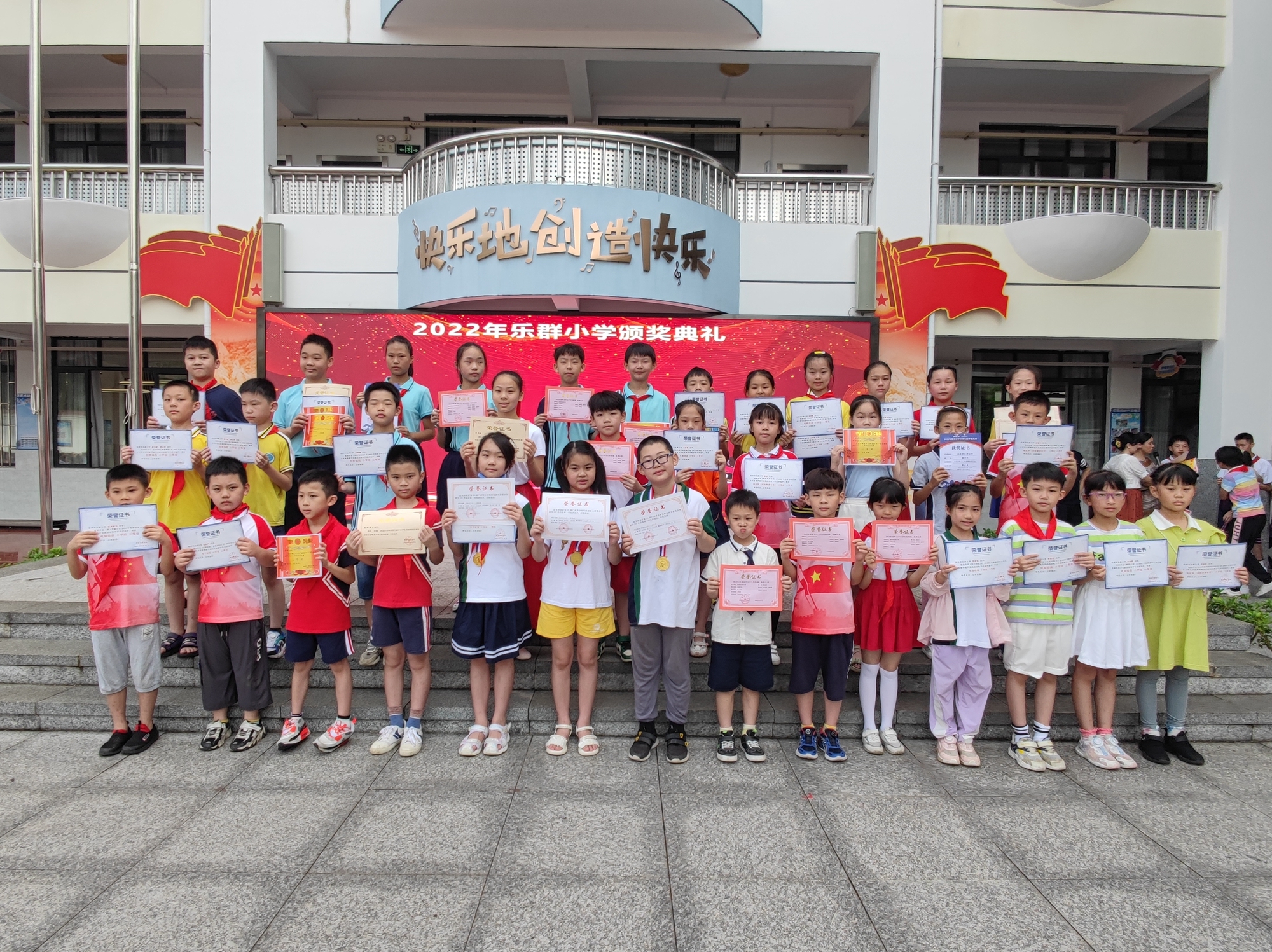
On the morning of July 8th, all teachers and students of Lequn Primary School in G...
11 citizen participating in Taiyuan transferred to the public!The start of school this fall, private primary schools are free of tuition!
On July 13, the Taiyuan Education Bureau explained the enrollment of the Taiyuan C...