Is the melon that is 800,000? Is the melon skin really made of gold?
Author:Caney Captain Time:2022.09.06
A few days ago, a friend lamented: "Blood loss, now the sun roses have become cabbage prices!"
But the crow's heart was overjoyed.
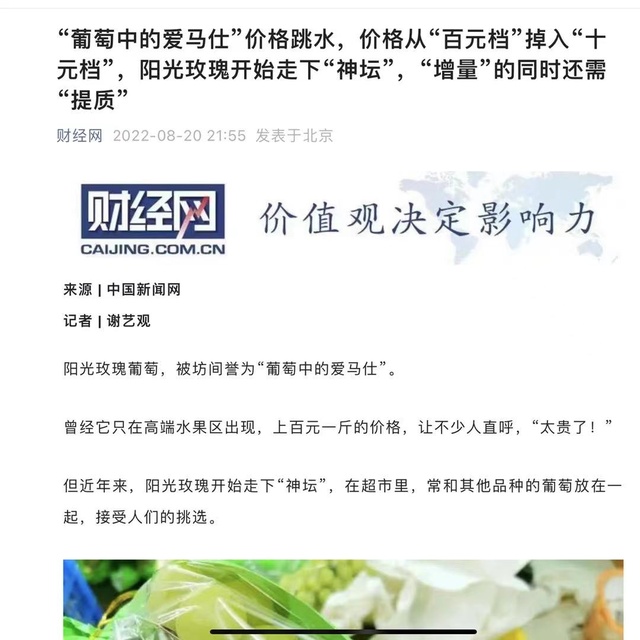
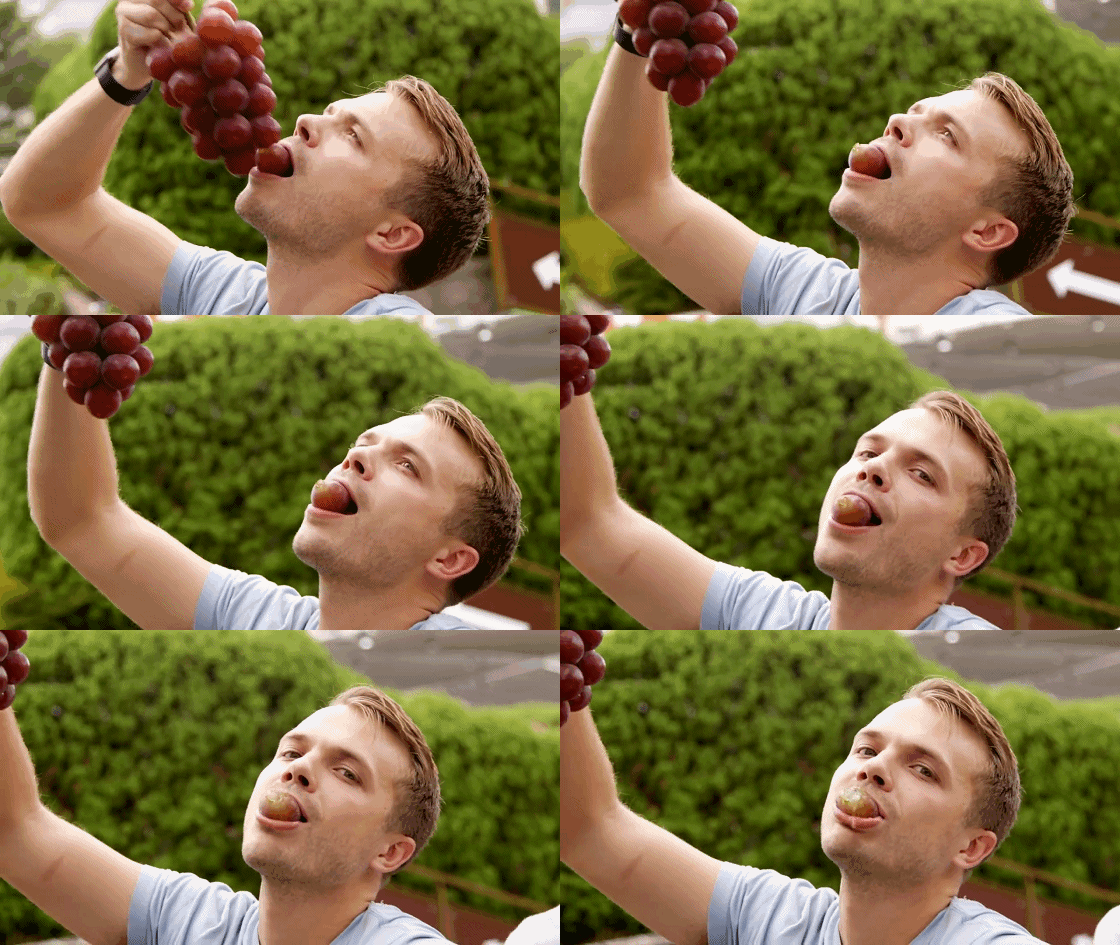
In the end, the crow can finally taste this one hundred yuan, which is known as "Hermes in grapes". The price is actually just "returning to the standard".
Sunshine rose grapes are quoted from Japan, and their varieties are called SHINE MUSCAT. The most valuable category is the "Kings" produced in Okayama, Japan.
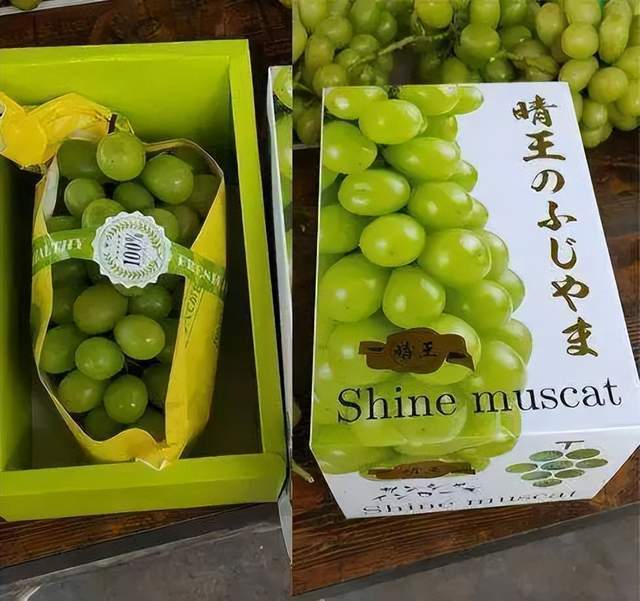
At present, the price of "Qing Wang" is equivalent to 400 yuan/string (about 700 grams). The initial price of China is between 100-200, which is the first price "diving".
But in Japan, there are more luxurious fruits than King Qing.
1
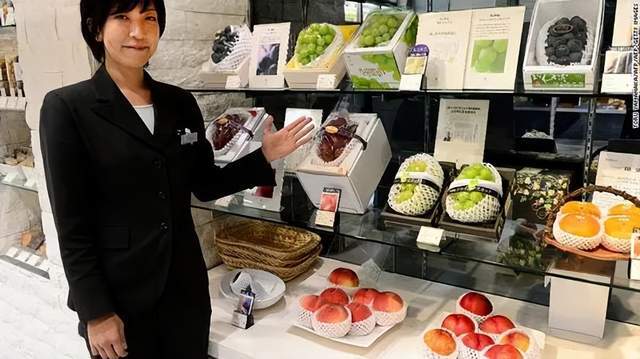
For example, in front of another grape "romantic ruby", "King Qing" looks "close to the people".
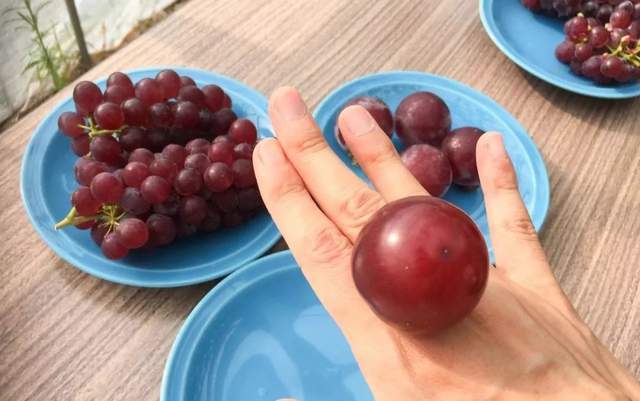
This grape is a high -grade grape brand developed by Ishikawa Prefecture, Japan. It is named after its outer ruby color. It is huge, with a single particle weight of about half or two. : The minimum price is equivalent to RMB 3500/string (700 grams)!
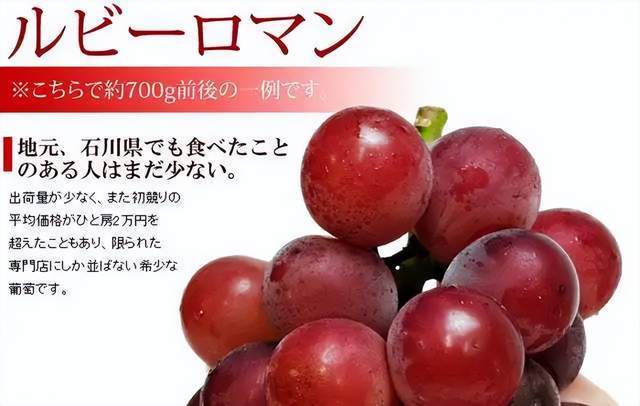
And the price of the top product is far more than the same weight of the same weight!
The most exaggerated time was on July 9, 2019, at the auction of the Central wholesale Market in central Japan, in central Japan,
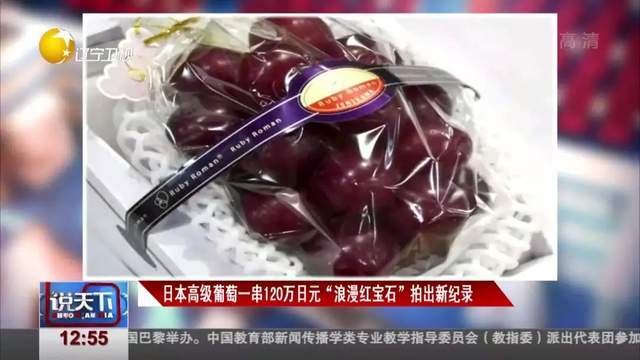
It is reported that the diameter of the grapes exceeds 3.1 cm and the sweetness reaches 18, which is equivalent to a cup of pearl milk tea with whole sugar!
What's even more outrageous is that this bunch of grapes attract 40 grape producers in Japan.
It sounds exaggerated, but it is just a routine operation in Japan.
In addition to grapes, all kinds of melons are extremely exaggerated in Japan. It is really "made of melon skin and melon particles!"
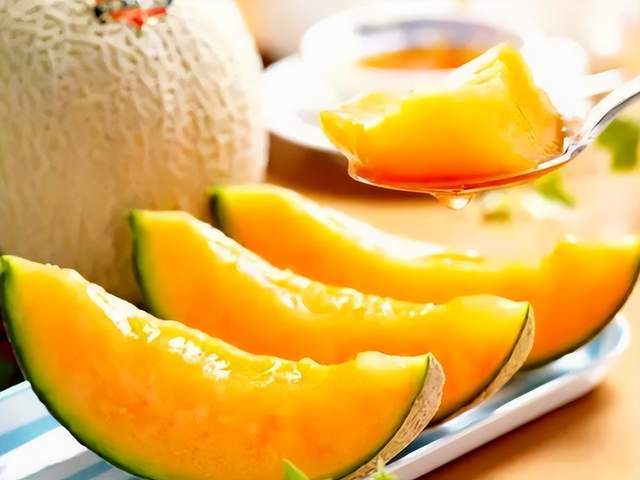
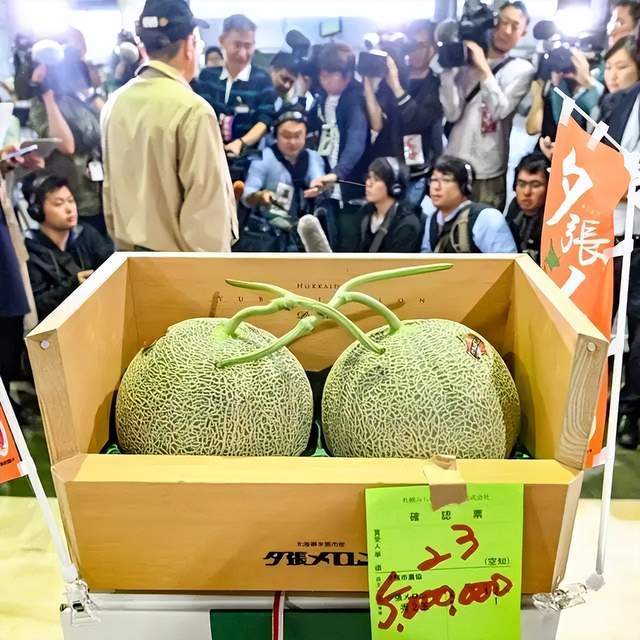
In some top Michelin rated Japanese restaurants, it usually provides guests with a luxurious post -dinner fruit: Xi Zhangmi.
This kind of melon is produced from Hokkaido Xi Zhangshi. Because of its gray -green peel covered with fine rope -shaped, it is also commonly known as "melon". Essence
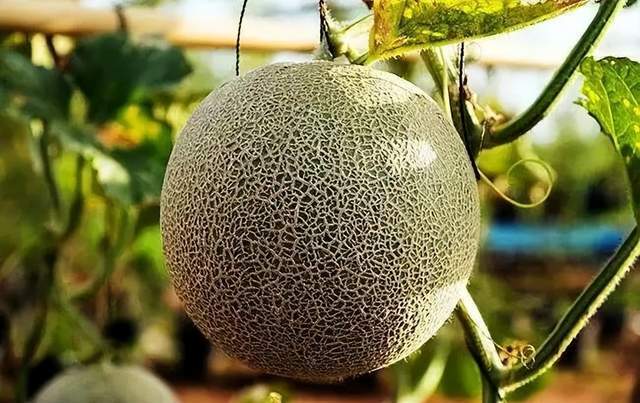
The average price of single fruit exceeds 1,000 yuan, and the price of the top -level melon single fruit is 10,000 yuan!
At present, the highest transaction price is the sky -high price of 3.2 million yen (one pair) at the Central wholesale Market in Sapporo on May 22, 2018, equivalent to 80,000 yuan.
In addition to honeydew, Japanese watermelon will let Huaqiang call "What’ s Up ".

The Tianxu watermelon produced by Hokkaido is also known for its black skin. It also has a special sweetness, crispy taste, and full of meat.
The average price of one kilogram is about 1,500 yuan, and the average single fruit price is as high as 5,000 yuan, which exceeds the Xi Zhangmi.
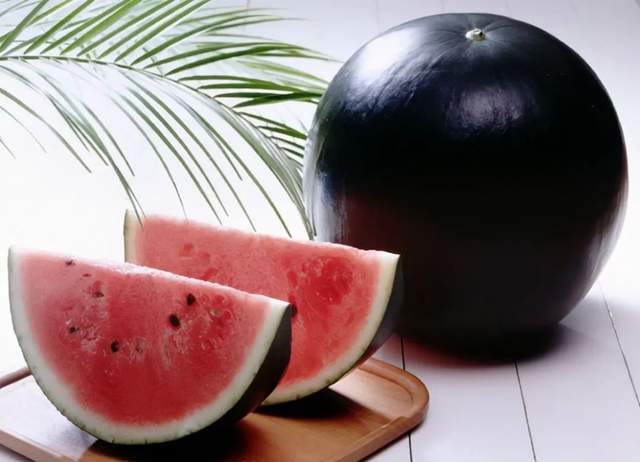
However, the auction price of its superior products is "cheap", with an average transaction price of about 500,000 yen (25,000 yuan), and the highest record is 650,000 yen (32,000 yuan) in 2008.
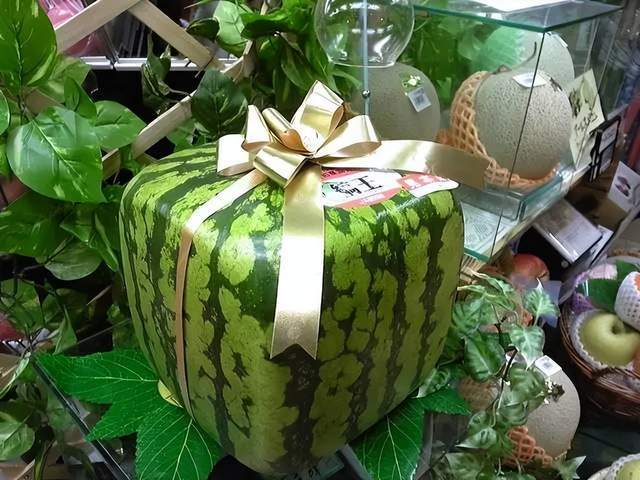
Japanese watermelon also has various "alien fruits", such as Special -shaped watermelon in Kagawa Prefecture, which is square, and the price of single fruit starts from 10,000 yen (500 yuan).
In addition, there are heart -type watermelon and pyramid models, the unit price exceeds 20,000 yen (1,000 yuan).
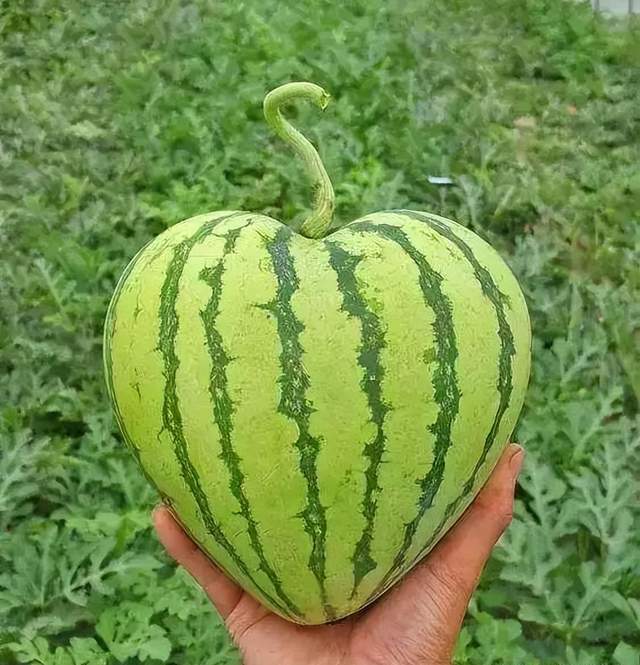
However, these watermelons are cultivated in transparent plastic containers, and the taste is generally boring. It can be described as "strong twisted melon". Therefore, these melons are mostly used for the decoration or gift of the store.
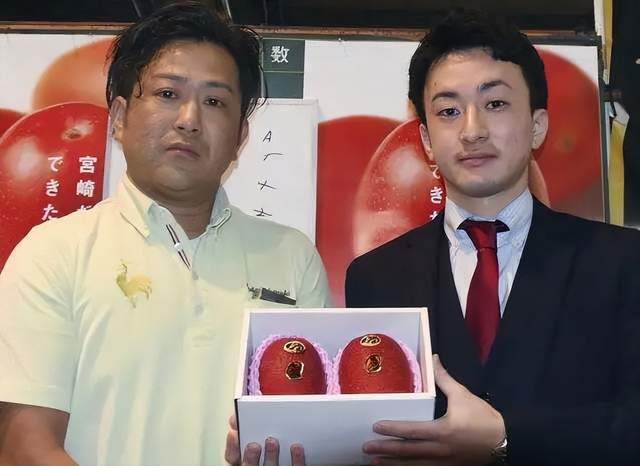
In addition, there are many amazing luxury fruits in Japan: 200,000 yen (10,000 RMB), a pair of "Son of the Sun" Mango and Mango and Single Fruit of up to 3,000 yen (150 yuan), Tangta white strawberry Intersection
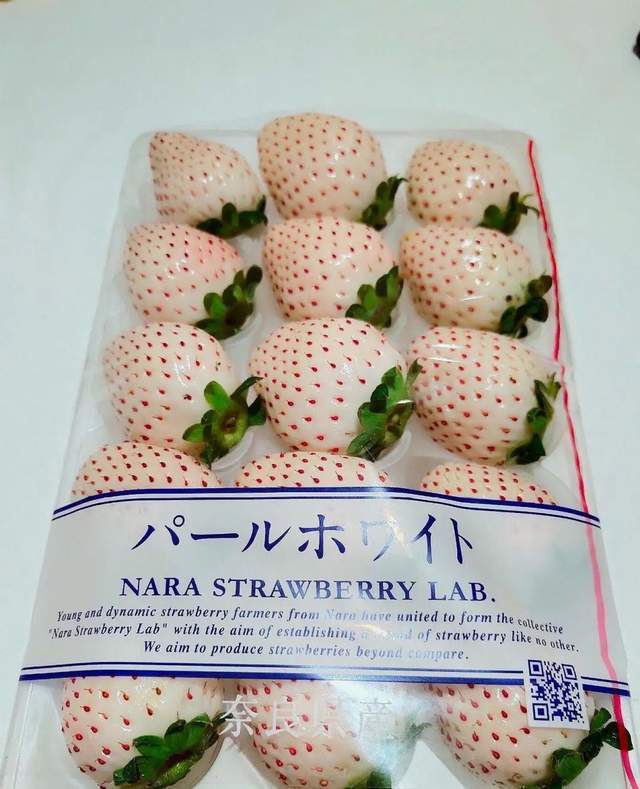
Maybe you think the above are just special cases. Doesn't China also have thousands of pounds and a single hanging green litchi with a average price of more than 100?
However, looking at the average price of fruits in Japanese supermarkets, it is really not close to the people. For example, ordinary watermelon is also equivalent to RMB 170; 10 oranges 35; a cashmere melon is 60, and apples, peaches, and pears are all 12.
Of course, some people must say, "Earn a yen in Japan, spend the yen, you are boring to be renminbi!"
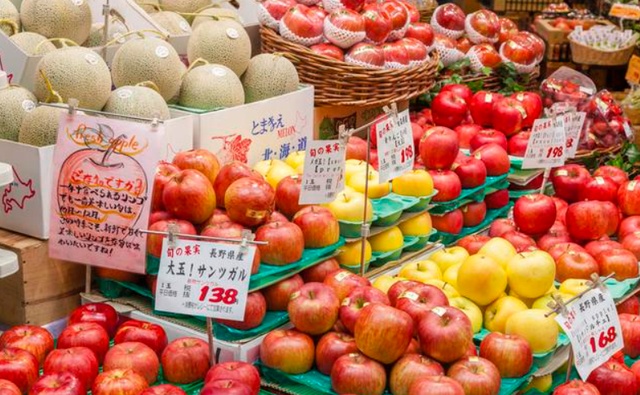
It is true that the average salary of Japanese people exceed China, but if you look at other developed countries similar to Japan's income, you will find that the price of Japanese fruits is also like a chicken group.
Moreover, Japan's special culture and national conditions are destined that the fruit itself cannot be too close to the people.
Although the land area of Japan is not too small (378,000 square kilometers), more than 71%of them are mountains and hills, and the plain is less than 30%. Population density and temperate marine monsoon climate have also made Japan's fruit planting area and poor variety since ancient times.
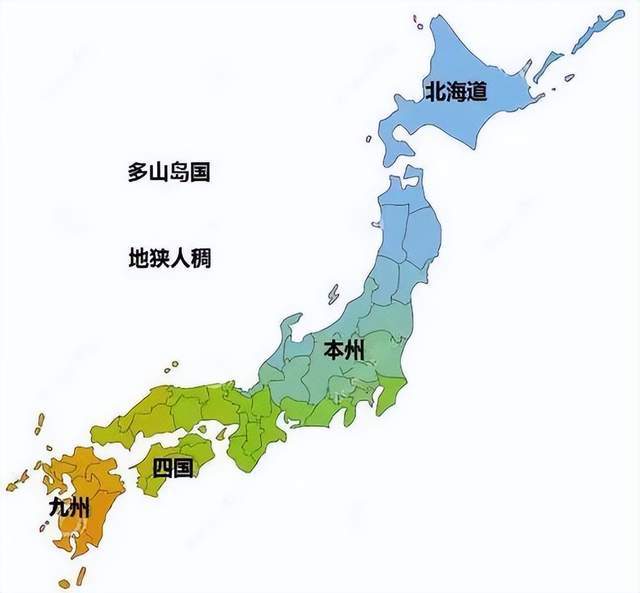
Therefore, for the Japanese, the fruit was registered with "high -end luxury" in ancient times.
During the Edo Shogunate, the fruits were used as "water" (desserts after meal) as a kickish cooking (high -end Japanese ingredients). Can't smell it.

It can be said that Japanese fruits are already an important label for class division. The presence of fruits is a kind of noble cultural phenomenon in Japan. Fruits = luxury goods are taken for granted to the Japanese. (Single fruit gift box in Japan)
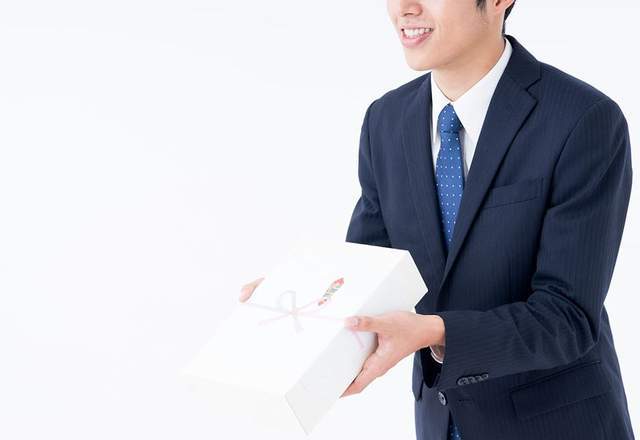
In addition, there are many special luxury fruit shops in Japan. It sells fruits and rare, and the price is more luxurious than many luxury stores. This phenomenon is difficult to see in other countries.
Among them, the most representative luxury fruit shop is the house of Qianzhang (Yǎ). The founder of the old -fashioned name of 1843 is a samurai class.
Qianyu House set his target users as nobles and rich people for a long time. When it was just when Japan was just open to Europe and the United States, he wanted to introduce more high -end fruits from Europe and the United States to replace local fruits and develop the earliest "gift fruits of gift fruit fruits "concept.
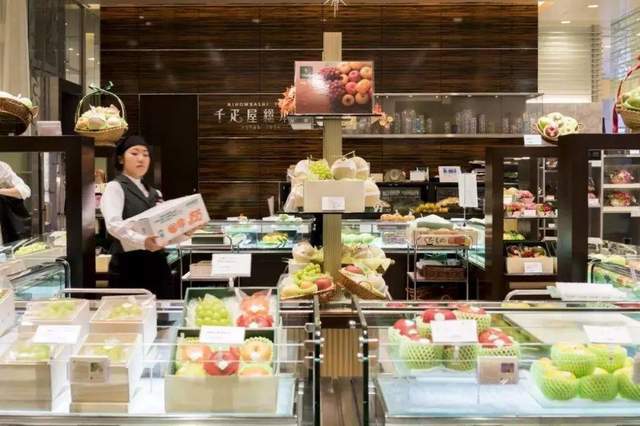
They have designed many packaging boxes that look at high -end luxury to deal with different gifts such as weddings, funerals, and illnesses, and emphasize that "gifts can be deeply affectionate."
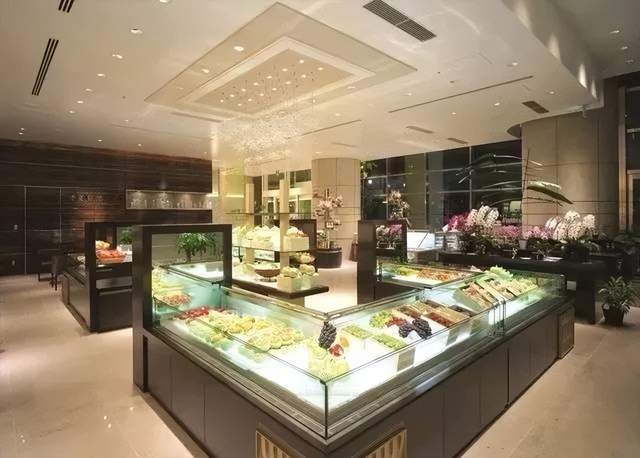
This series of operations have made the rich class very useful, and Qianyu House slowly cultivated a number of loyal customers.
After World War II, the European and American luxury culture swept Japan, and Qianzhangwu immediately imitated the shopping guide elites of Hermes and LV. Every time they sold a fruit, the clerk would ask the guests with a respectful attitude: which day, which day, which time period, which time period eat? What taste do you like? The rough age, gender, etc. of the consumers? What cases are applicable?
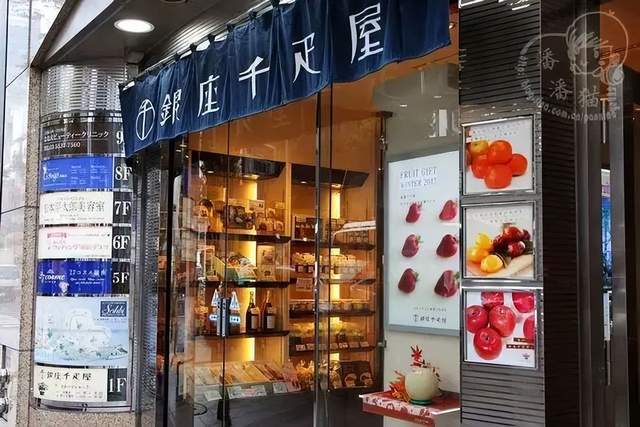
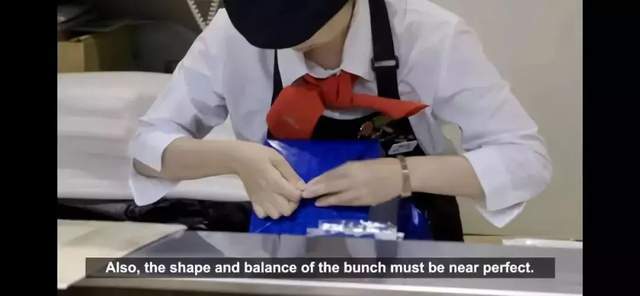
After getting the corresponding answer, the clerk will carefully pack the corresponding packaging according to the requirements of the guests, and will inform various preservation and consumption methods in detail, such as what is opened at a moment, which can achieve the best taste of the fruit. of.
Qianyao also found inspiration from the fruits in Western food. In 1887, the first "fruit restaurant" in Japan was founded. The store only provided various freshly squeezed juice and sliced fruits. of.
Nowadays, Qianshiya has only opened 11 stores in Japan, and each opening of the store must conduct a heavy assessment of the shoppers.
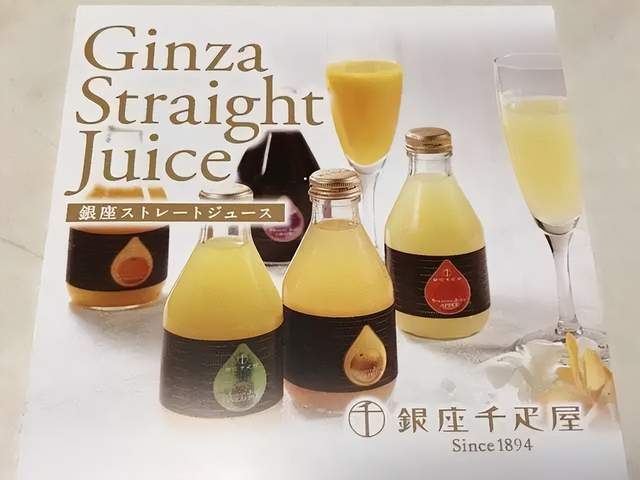
Everyone, see if there is a familiar and nasal taste, yes, this is the "craftsman's spirit". It seems that only the Japanese have done it and succeeded.
What's even more weird is that many Japanese ingredients have not been close to the people, including meat, white rice, etc. with the development of the whole people, but only the fruit, the class division attributes on their bodies have not completely dispersed.
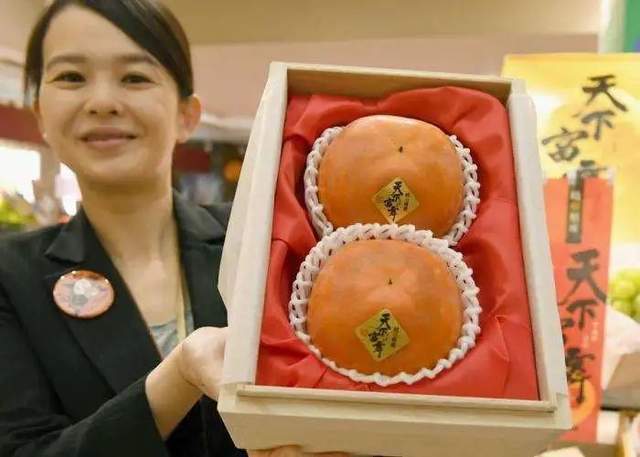
According to the average salary level of the Japanese today, of course, it can afford fruit, but if other daily expenses and their unique culture are added, fruits will not become the daily necessities of the majority. It's a scene of holding half a big watermelon.
Ordinary Japanese people buy fruits, just like us to buy desserts.
What's more important is that the so -called "fruit auction" from all over Japan is essentially related to the sales and sales of goods. Instead, it is a symbol of "Japanese agricultural research and development results", which is obviously political.
In addition, the intervention aimed at "increasing costs" during the planting process of these high -end fruits. Yes, you don't read it right, specializing in increasing costs to increase costs.
For a very simple example, the "romantic ruby" grapes mentioned above. It is the Japanese Agricultural Comprehensive Research Center in Japan since 1996. After 14 years of heart blood, it has spent huge cost cultivation.
For this grape, the research center first planted 400 "vine" grape varieties. In the end, only 4 red fruits were assigned. After repeated surveys, the color and fragrance were good, and the most easily cultivated one was selected. Later, it became a "romantic ruby" that appeared in the market today.
And those expensive watermelons are also specifically put on the corresponding molds and make special numbers. How to grow troubles and how to grow, so that the labor cost is up, and the fruit will naturally not be cheap.
In addition, the Ministry of Agriculture, Forestry and Aquatic Products of Japan also established the world's most complete "fruit quality rating system", which includes a number of different levels such as "G-Class, Show, Special Show, Premium", and "Romantic Romance" is the "romantic ruby". The top premium.
To put it plainly, this fruit is so luxurious but the national authority is certified. It is unsatisfactory for you to sell cheap.
However, the above still cannot explain why Japanese fruits are generally expensive, and there is no cheap product of "close people" at all, because other types of Japanese materials have both the "ingenuity of the gods" of the gods of XX. Cheap products with low prices, but the fruit is unwilling to be grounded. What is the reason?
This has to be said to have caused the contestants of the Japanese Agricultural Association ("Japan Agricultural Association" or JA), the initiator of Japan's abnormal agricultural model today.
2

The Japanese Agricultural Association can be traced back to the 1870s that the Tokugawa government has just fallen.
At that time, Japan's credit portfolio system was studying in Germany and actively promoted the establishment of collaborative organizations in rural areas.
This "combination of the same industry" mainly exists in tea and silk industry. It is spontaneously organized by farmers and handicrafts to engage in sales, purchases and production funds of products and production materials.
In 1898, Japan promulgated the first law of cooperatives in history, the "Industrial Combination Law" to support and encourage cooperation organizations. The group is closely linked to build a better community. By the 1920s, the Grand Depression has severely damaged Japanese agriculture. In order to cope with the agricultural panic caused by the Great Depression of the world, the Japanese government began to achieve industrial combination through administrative intervention and guidance.
In 1933, the "National Federation of Rice Sales Purchase Purchase", "National Industrial Complex Federation Federation" and "Great Japanese Citrus Strange Sales Federation" and other industry organizations appeared. "Agricultural Association" actively raised a large amount of supplies for the Japanese invaders and helped Japan's invasion expansion.
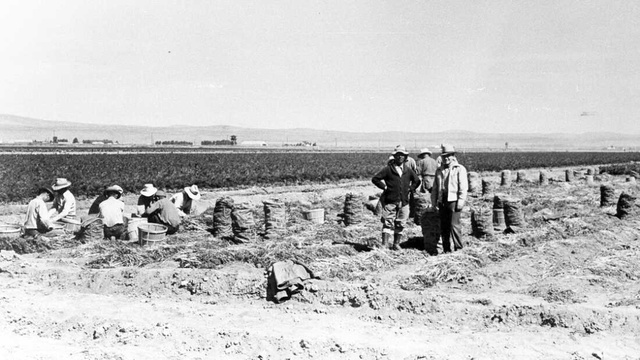
After the defeat of Japan, the "Agricultural Association" was banned, and at that time, famine broke out in Japan, the grain reserves dropped sharply, the price rose, and many people starved to death.
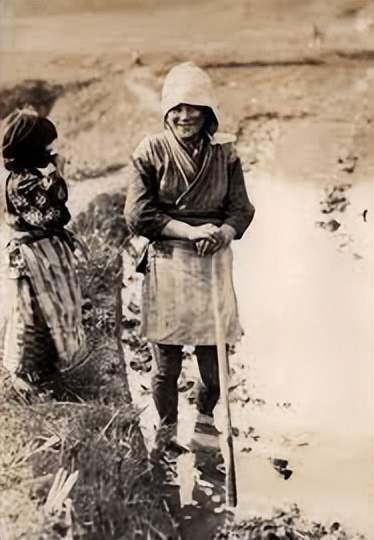
In order to mobilize the production enthusiasm of farmers and solve the long -term social contradiction between the landlord and the farmers, the newly established Japanese government formulated the "Agricultural Land Reform Law" in 1946. As a result, the basic system of post -war Japanese agricultural families operated.
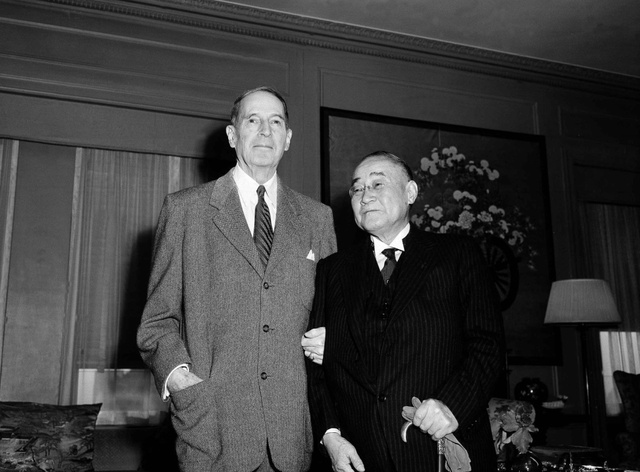
In addition, the Yoshida Mao government at that time also realized that the traditional family farm was also a stubborn illness that hindered the modernization of Japanese agriculture and must be reforming.
(Yoshida Mao and Mai Mai)
In this context, Japan formulated a special law, the "Agricultural Cooperation Combination Law" in July 1947, and established the Agricultural Association nationwide, referred to as JA.
The operation of the operation of the Agricultural Association is divided into "formal members" and "quasi -members". Farmers can join, and non -farmers can also pay investment funds in accordance with the rules of the Agricultural Association.
The purpose of the Japanese Agricultural Association is: farmers' funding, farmers management, farmers' utilization, and farmers' enjoyment.
This is undoubtedly a strong needle for the Japanese peasant class that has been oppressed for thousands of years. Everyone's production enthusiasm has been greatly improved, and they have enthusiastically joined.
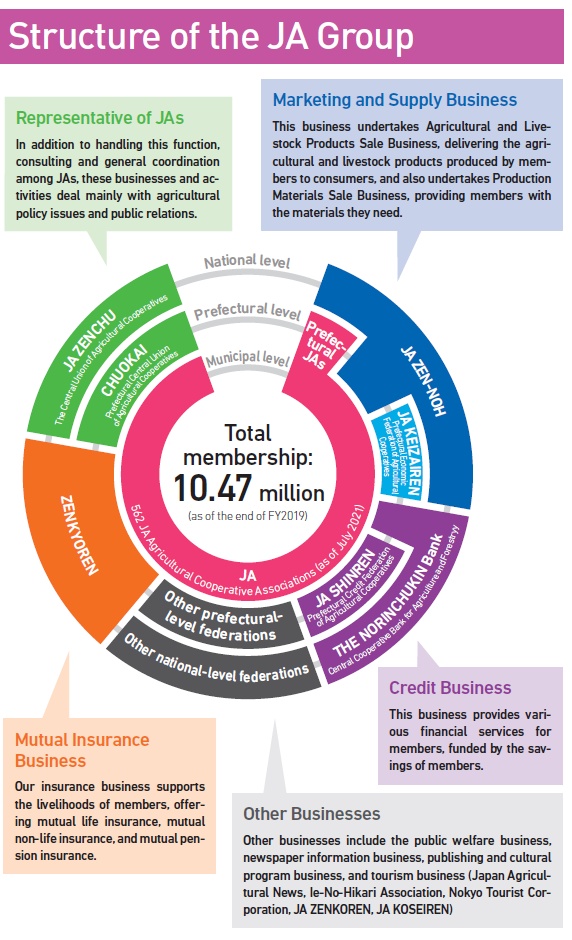
As of 1950, more than 99%of Japanese farmers have joined the Agricultural Association.
Objectively speaking, the early stages of the establishment of the Agricultural Association did play a positive role, greatly eased social contradictions, and effectively protected the economic benefits of small farmers and small industrial and commercial operators. Essence
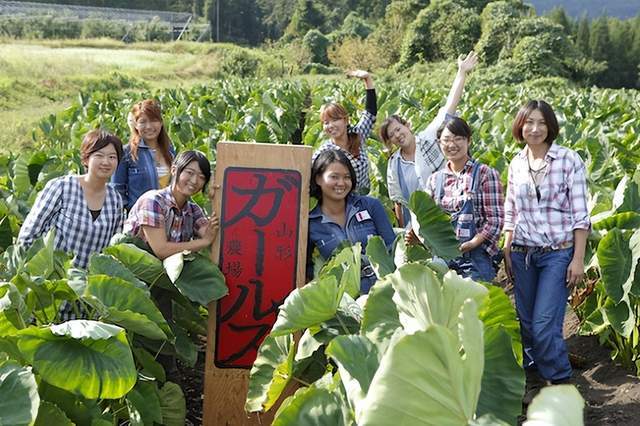
For Japanese farmers, the Agricultural Association has solved many problems, and he only needs to be responsible for planting things.
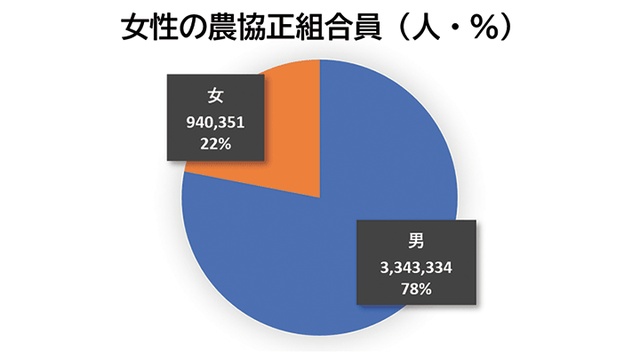
The Agricultural Association collected agricultural products produced by farmers and concentrated on sale. In the process of sales, in order to adjust the supply and demand and increase the added value, the Agricultural Association also needs to process and screen agricultural products.
In addition, the Agricultural Association also provides living and production materials including fertilizer, pesticides, feed, agricultural machinery, and even food, daily miscellaneous products, durability consumer goods, etc. The price of these things is very favorable. Buy through the only agricultural association channels "and" accept the guidance of the Agricultural Association ".
That is, these two requirements have begun to derive many problems.
Because the Japanese Agricultural Association basically monopolizes the right to speak of Japanese agriculture. If you talk about conscience, once you want to move a little bit, farmers have no power to fight back.
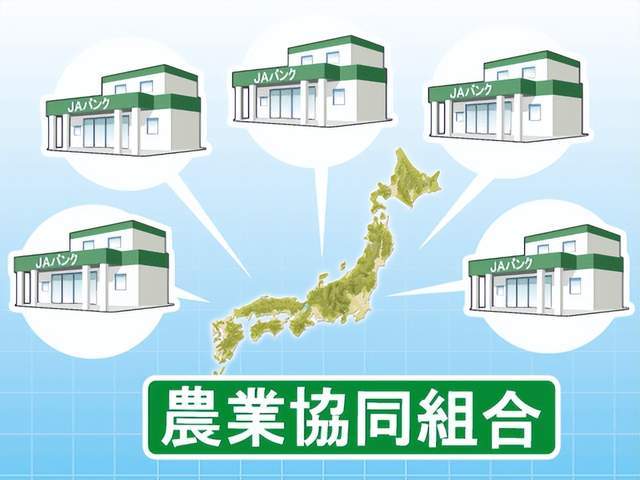
The first is in terms of sales channels and pricing power. From the initial "obedience" farmers, the Agricultural Association gradually began to point out. In the end, how much cost of agricultural products, what is specifically planted, and how much is the agricultural association.
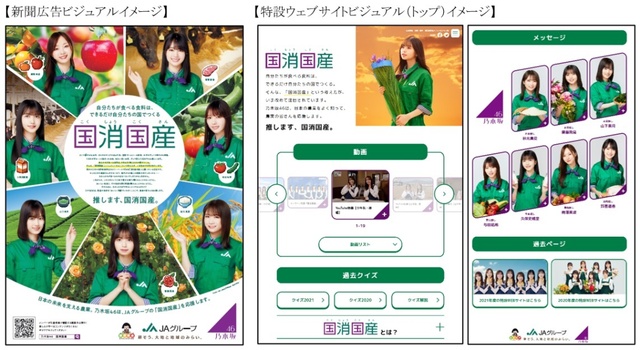
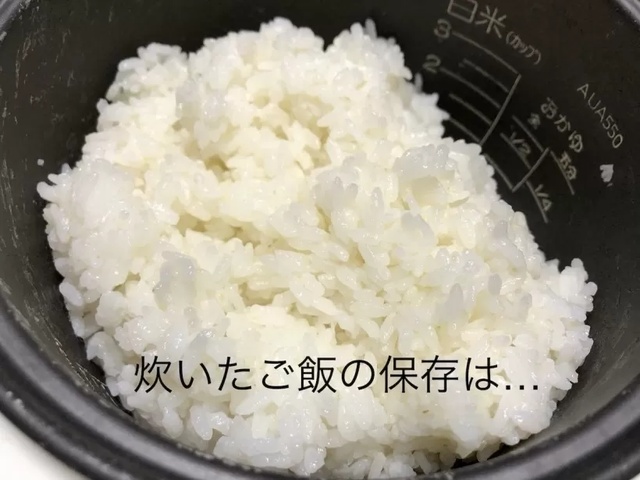
The intervention of the Agricultural Association has led Japanese agricultural products to enter a "high price state" that violates the laws of the market. For example, in terms of food prices, Japanese rice prices are 9.5 times that of Thailand.
This has made countless people complaining, even if many Japanese people who firmly believe in the concept of "making the soil" have begun to buy foreign Inter.
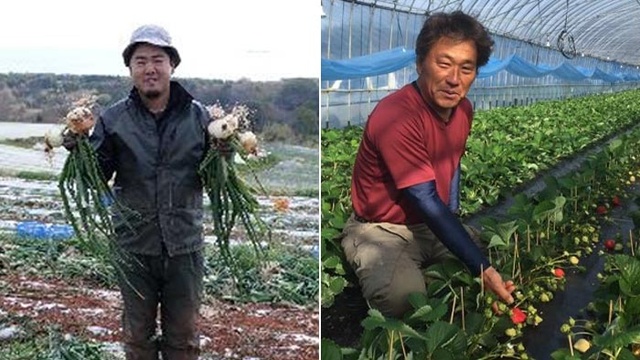
As a result, the Japanese Agricultural Association tried to promote the government to raise tariffs on imported rice, and refused to open the agricultural product market to the United States, China, Southeast Asia and other places, and also negatively treated related free trade agreements.
This operation quickly made the price of imported rice rising to the same as Japanese domestic rice to protect the "rights and interests" of Japanese farmers. As for the cost of rising, it can only be paid by ordinary consumers.
But does Japanese farmers benefit? not necessarily.
Since the 1980s, the Japanese Agricultural Association has gradually begun to purchase at low prices and sells at low prices.
The listing process of Japanese fruits is very cumbersome: first of all, fruit farmers are sold to the Agricultural Association, and after entering the wholesale market, they will be sold to agent wholesalers, retailers, middlemen, supermarket restaurants and other consumer consumer venues. Brokerage wholesalers can sell fruits to fruit processing companies to get processing products such as beverages and cans, and then sell them to supermarkets and restaurants, and finally reach consumers.
When the product arrives in the hands of consumers, it is far beyond the purchase price. If farmers want to directly entrust wholesalers to enter the wholesale market, they will be suppressed and eventually have to compromise.
What is even more aggrieved is that Japanese farmers have no right to speak even for specific planting plans.
For example, the reason why the "Sunshine Rose" mentioned earlier was diving in China because of the crazy planting in China within two years, the output rose sharply, and the price fell from 100 yuan/jin to 10 yuan/jin. This is the market effect, and there is no human intervention.
In order to maintain the "high -level sense", the Agricultural Association continuously brainwashed farmers and made the so -called "reduction of production and quality" slogan, which not only strictly restricted the planting amount, but even issued a variety of rules. All or ordering the ground, not allowing to circulate in the market, or even freely presented to relatives and friends. (The Japanese Agricultural Association must formulate strict rules for cooking)

These rules are extremely harsh, making most of the crops grown in fruit farmers in the end.
In this way, the Japanese fruits industry became more and more abnormal under the strong intervention of the Agricultural Association.
As for imported fruits, it was suppressed by the Agricultural Association. Until the end of the 1980s, the import rate was less than 20%. Even after the new millennium increased significantly, it has been hovering around 50%. The country is incredible.
However, the Japanese government has listened to it. In addition to the huge interest entanglement, it is a voting!
3
Prior to the reform of the Japanese election system in 1994, it adopted the middle constituency system between the general election area and the small constituency.
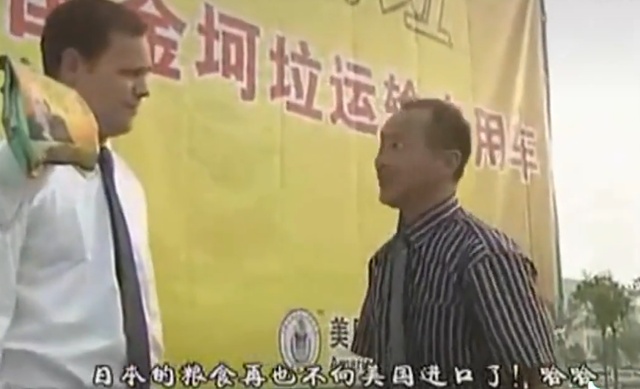
With the development and urbanization of Japan and the flow of rural cities, the distribution of Japanese population has shown the characteristics of highly concentrated in large cities. Under the central constituency system, the number of cities and rural voters is very different. The value of the same votes in different constituencies is different. This is the so -called "one -vote difference".
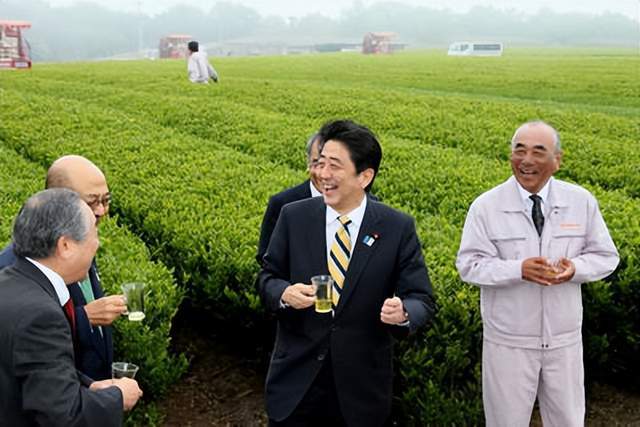
(Abe met with officials of the Agricultural Association during his lifetime)
Simply put, the votes in the countryside can choose more representatives. The value of rural votes is higher than urban votes. Prior to the reform of the election law in 1994, the average votes in rural areas were equivalent to about 5 cities, and the value of farmers' votes occupied an important weight in the election.
In order to solve the "one -vote difference" problem, Japan carried out the election system reform in 1994. From the original central constituency system to a mixed election system combined with a small constituency and proportion representative system; The value difference between urban votes and rural votes is still obvious. On average, 1 rural votes are equivalent to about 3 cities.
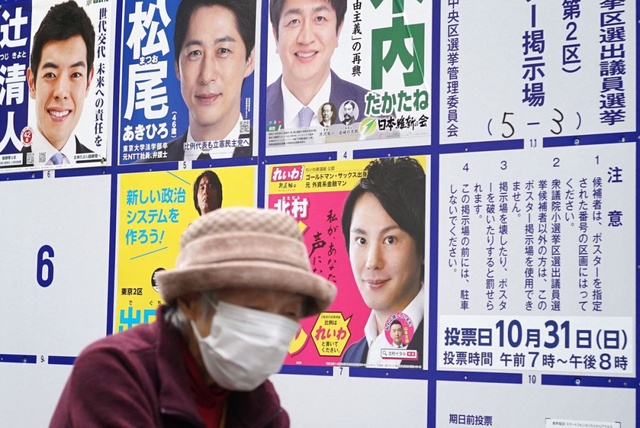
In other words, the current Japanese election system is still conducive to rural constituencies, and which ruling party will focus on the rural areas, and the Liberal Democratic Party, which is the only after -war, has maintained a close connection with the rural areas.
The Japanese Agricultural Association has long formed a comprehensive monopoly control of rural economy, society and politics, and the principles of the guidance and supervision of the grassroots agricultural associations from the bottom up. Power and keep the rural areas highly stable. Regardless of what happened at home and abroad at home and abroad, the "group public security incident" in rural areas in Japan is almost 0.
The Agricultural Association relying on the advantage of being the only monopoly organization in the countryside, it can obtain policy discounts under the guise of "protecting the interests of farmers".
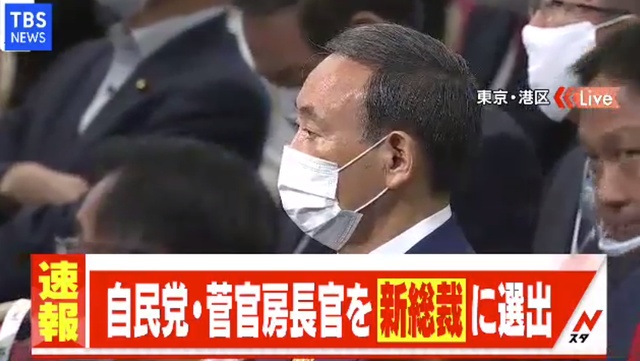
But for the majority of Japanese farmers, if the Agricultural Association harms its own interests, who should I find it?
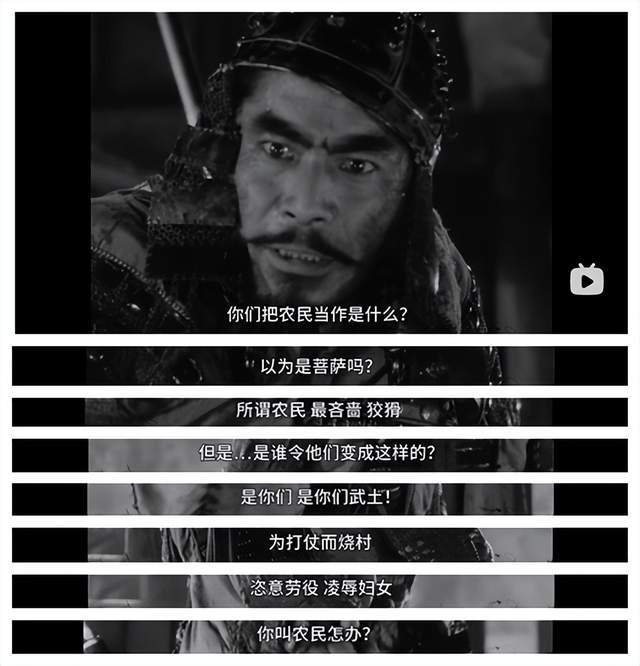
No! They can only allow the farm association to go, just like their ancestors were oppressed by the warriors for thousands of years, and they entered the reincarnation again.
What the "craftsmanship" of the Japanese Agricultural Association uses the "craftsmanship" of fruits, eliminating the inferior fruit flowing to ordinary consumers in Japan, leading to the extremely abnormal "high -cost" the entire fruit industry.
You know, a reasonable industry should be diversified, layered, for different consumer groups.
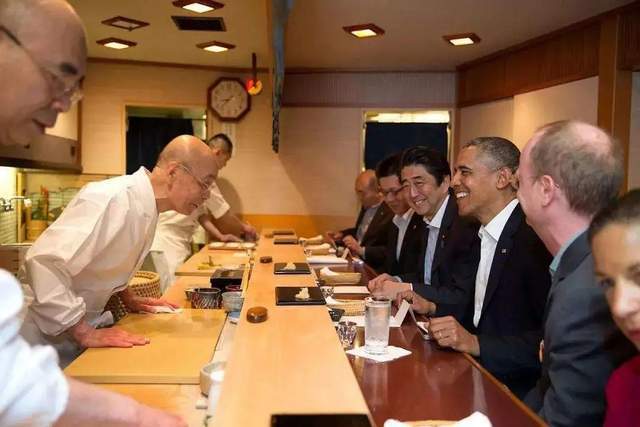
(Known as the "God of Sushi" Ono Erlang give Abe and Obama as sushi)
Watermelon should have low -priced watermelon, watermelon at a medium price, and high -priced watermelon. Provide corresponding "products" for different consumer groups. This is a reasonable industrial development model.
Fruit is not a luxury, it is agricultural products. It is completely luxury in the fruit. What is the deformity?
But this is the deformed product of this malformation system. There are still a large number of people touted in these years. We should "reflect"!
Reference materials:
Wen Tiejun Hou Hongwei: "The Monopoly of the Agricultural Association behind Japan's high rice prices and the connection between its party"
Zhihu: Wolf Sky Vvl, Wu Xingwei VVL
Station B: Caibo Supply and Marketing Cooperative
Lei Anqi: "Analysis of the Factors of Japan's Sky Price Fruits"
Zhenhe: "Exploring Japan's Sky Price Fruit Auction"
Geng Yi, Ye Tong, Gao Qi, Hu Guijuan, Xue Youlin: "Enlightenment from the circulation of fruits in Japan"
Zhou Yuanyuan: "How expensive is Japanese fruits",
Business think tank: "The most expensive fruit shop in Japan: sell fruits like selling jewelry"
- END -
Rectify the "Internet Water Army"!The Ministry of Public Security has shot!

From June 26, the Network Security Bureau of the Ministry of Public Security has l...
Wuhan Yishi Sea Ten acres of sunflowers bloom, and the flowering period continues until October

Jimu Journalist Ma QingniCorrespondent Chen Yiliang Song XiaofangOptical Valley Hu...